
Beavertail Prickly Pear
Opuntia basilaris

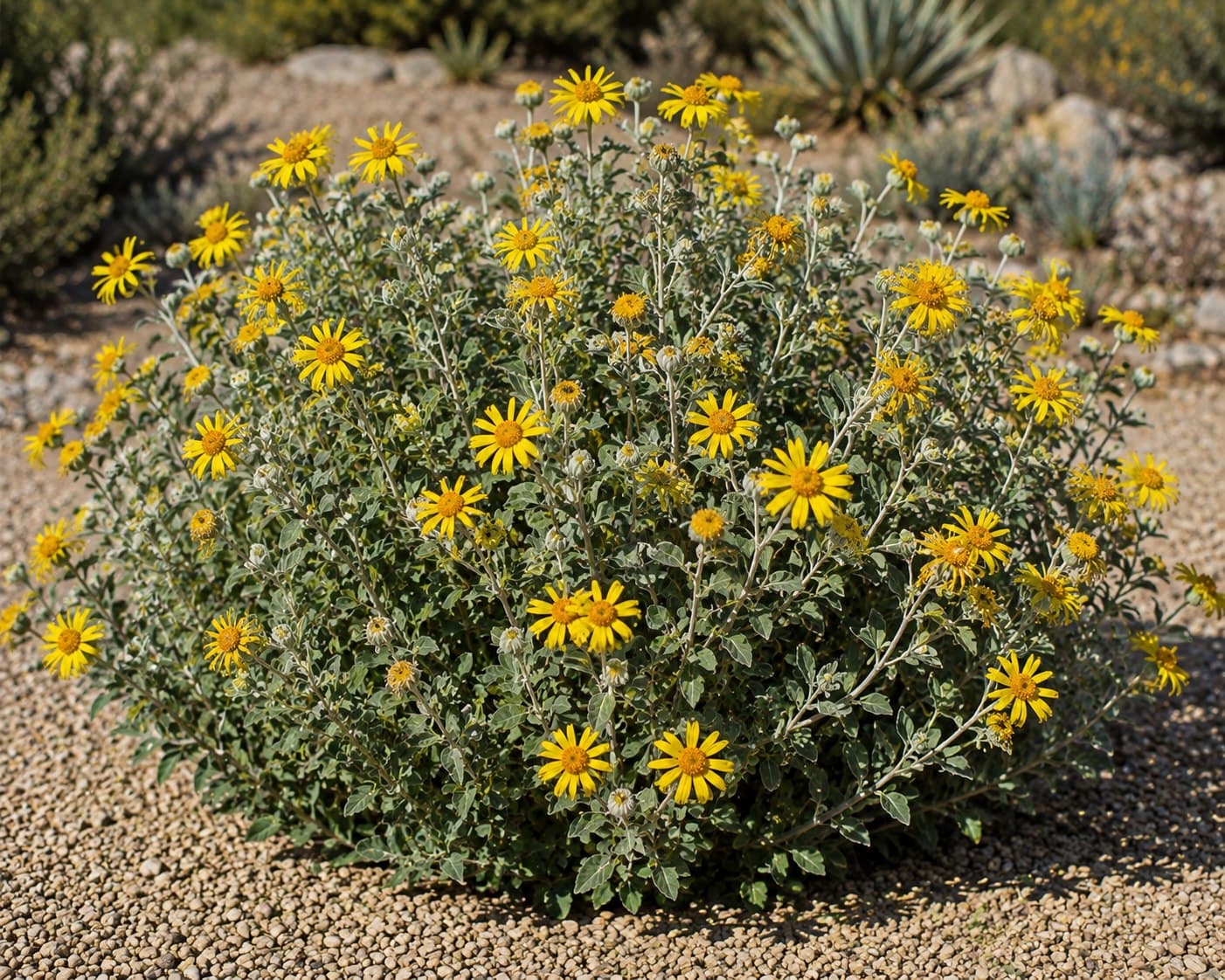
A low-growing native prickly pear with distinctive blue-gray pads and cheerful yellow spring blooms that feed desert birds.
Very cold hardy to near 0°F, USDA 9-11; adapted to both low and high desert.
AMWUA Notes
Native, drought-adapted prickly pear requiring no irrigation once established.
Care Guide
Needs almost no supplemental water once established; water sparingly and only in extended drought to avoid rot.
Remove damaged pads at the joint with tongs; wear gloves, as the pads carry irritating glochids despite lacking long spines.
None required.
Cochineal scale is the primary concern; wash off cottony colonies promptly.
Blue-gray pads flush purple in winter cold and yellow flowers open in spring; fully frost hardy.
Soil, Feeding & Propagation
Sharp-draining decomposed granite or native desert soil; lean
Needs sharp, fast-draining soil.
None — thrives in lean desert soil without fertilizer.
Pads root readily after callusing; also seed
6-8 ft
Shallow, non-invasive roots; the glochids irritate skin, so keep pads back from paths
Placement Tips
- •Site in a rock or wildlife garden away from paths, since the glochids irritate skin.
- •Allow for the 8 ft spread.
- •Plant in sharp-draining granite.
- •Pairs beautifully against boulders.
Features
Best Uses
Ecological Value
Wildlife Value
Companion Plants


Quick Stats
Design Styles
Include in Your Project
Love Beavertail Prickly Pear? Our landscape team sources from wholesale nurseries and can incorporate it into your design.
Talk to a Dream BuilderGet a Project EstimateAlready a Client?
Use this care guide to maintain your Beavertail Prickly Pear. Questions about your landscape? Reach out anytime.
Data from 2024 AMWUA “Landscape Plants for the Arizona Desert” guide.
Beavertail Prickly Pear — common questions
Answers for low-desert Phoenix conditions, drawn from this plant’s growing data.
How much water does Beavertail Prickly Pear need in Phoenix?
Beavertail Prickly Pear is a very low-water cactus once established. Needs almost no supplemental water once established; water sparingly and only in extended drought to avoid rot. Native, drought-adapted prickly pear requiring no irrigation once established.
How big does Beavertail Prickly Pear get?
Expect roughly 4 ft tall and 8 ft wide at maturity, with a slow growth rate. Allow about 6-8 ft of spacing when planting. Shallow, non-invasive roots; the glochids irritate skin, so keep pads back from paths.
Can you plant Beavertail Prickly Pear near a pool?
Not ideally. Beavertail Prickly Pear is not rated pool-friendly, so it is better placed away from the pool deck and skimmer. Litter is rated low.
Can Beavertail Prickly Pear handle Arizona heat and winter frost?
Beavertail Prickly Pear is hardy in USDA 9-11 and wants full sun. Very cold hardy to near 0°F, USDA 9-11; adapted to both low and high desert. Blue-gray pads flush purple in winter cold and yellow flowers open in spring; fully frost hardy.
Does Beavertail Prickly Pear have thorns?
Yes — Beavertail Prickly Pear has medium thorns. Site it back from walkways, seating and pool decks where people brush past.
Is Beavertail Prickly Pear safe around pets?
Beavertail Prickly Pear is listed as pet-friendly in this guide. If your dog is a determined chewer, check any new plant with your vet before planting.
When does Beavertail Prickly Pear bloom in Arizona?
Beavertail Prickly Pear blooms in spring-early summer, with yellow flowers.
How much maintenance does Beavertail Prickly Pear need?
Beavertail Prickly Pear is low-maintenance. Leaf, flower and pod litter is rated low. Remove damaged pads at the joint with tongs; wear gloves, as the pads carry irritating glochids despite lacking long spines.
What kind of soil does Beavertail Prickly Pear need?
Sharp-draining decomposed granite or native desert soil; lean. It needs no supplemental feeding. None required.
Is Beavertail Prickly Pear native to Arizona?
Yes. Beavertail Prickly Pear is native to Arizona and to the Mohave and Sonoran Deserts, so it is adapted to local rainfall, soil and heat.