
AMWUA 2024 Desert Plant Guide
Arizona Plant Library
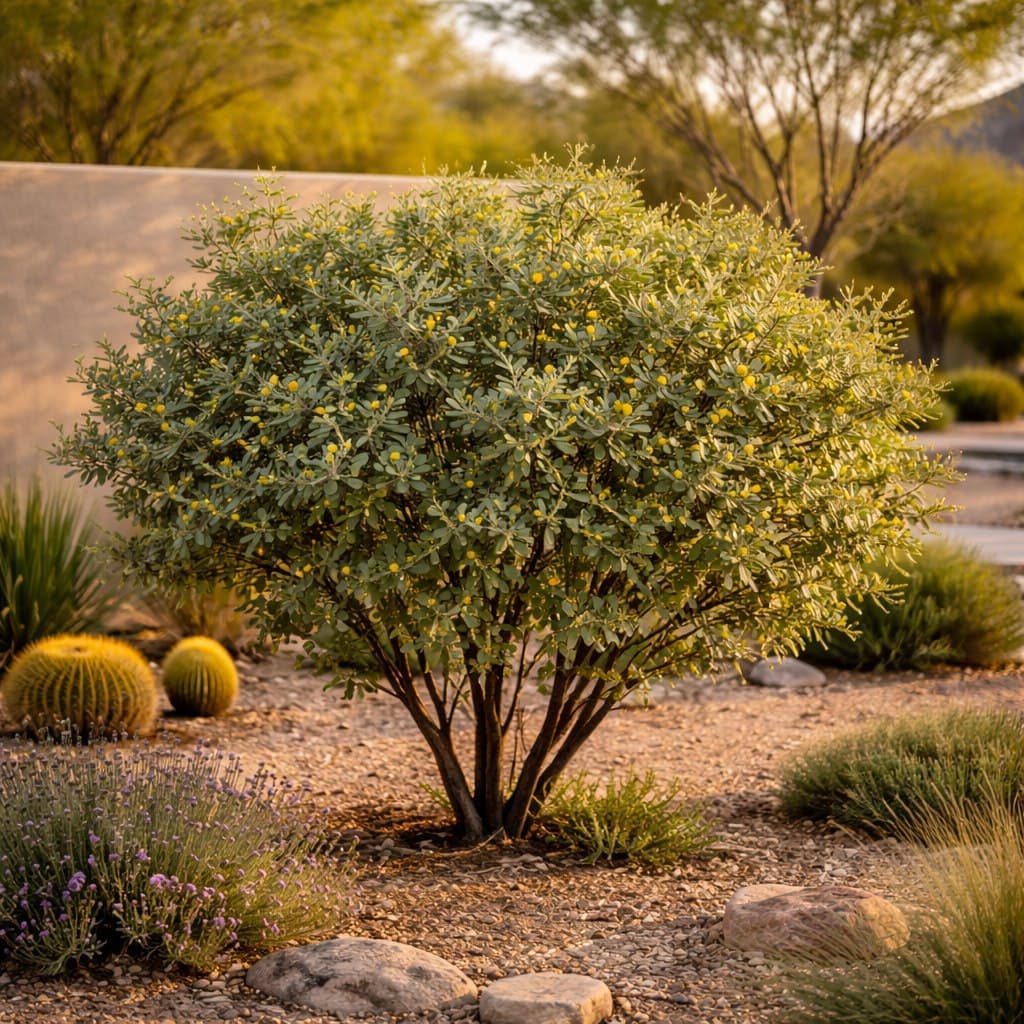
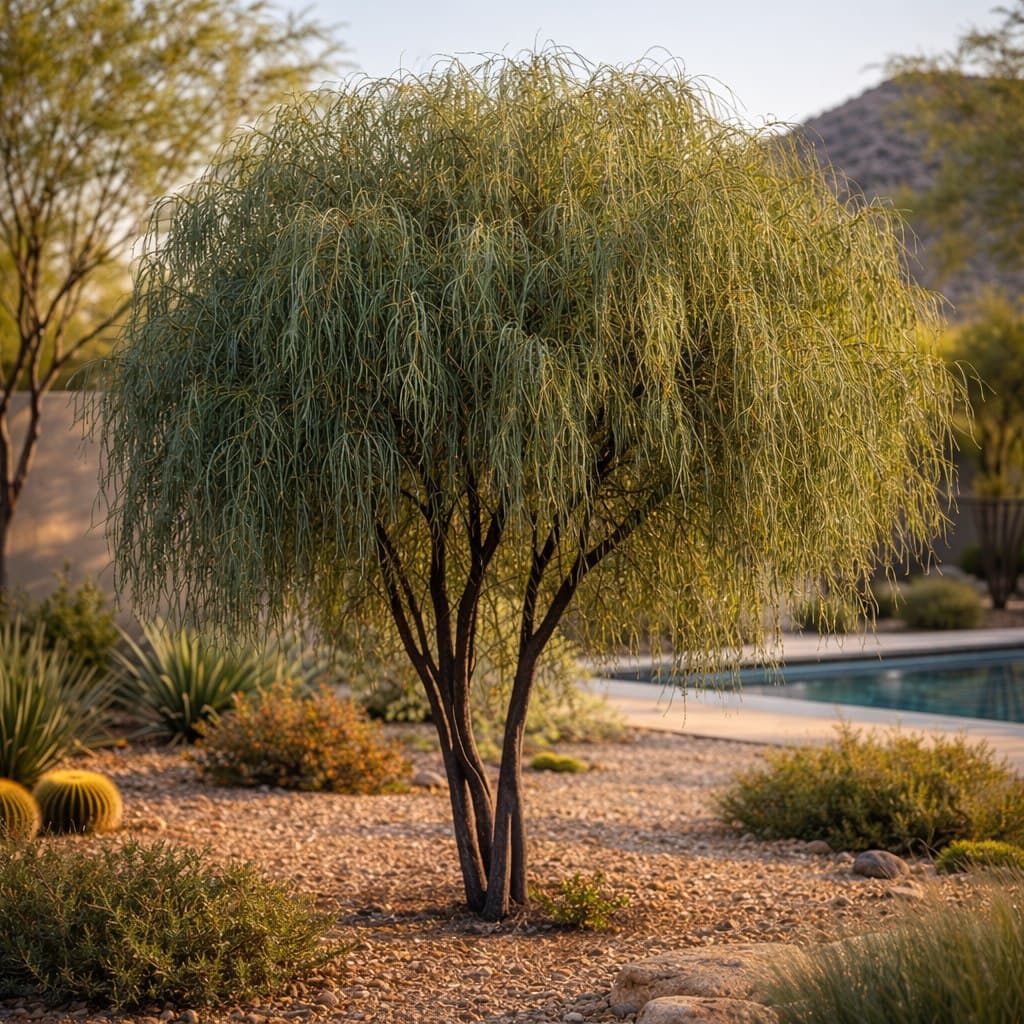
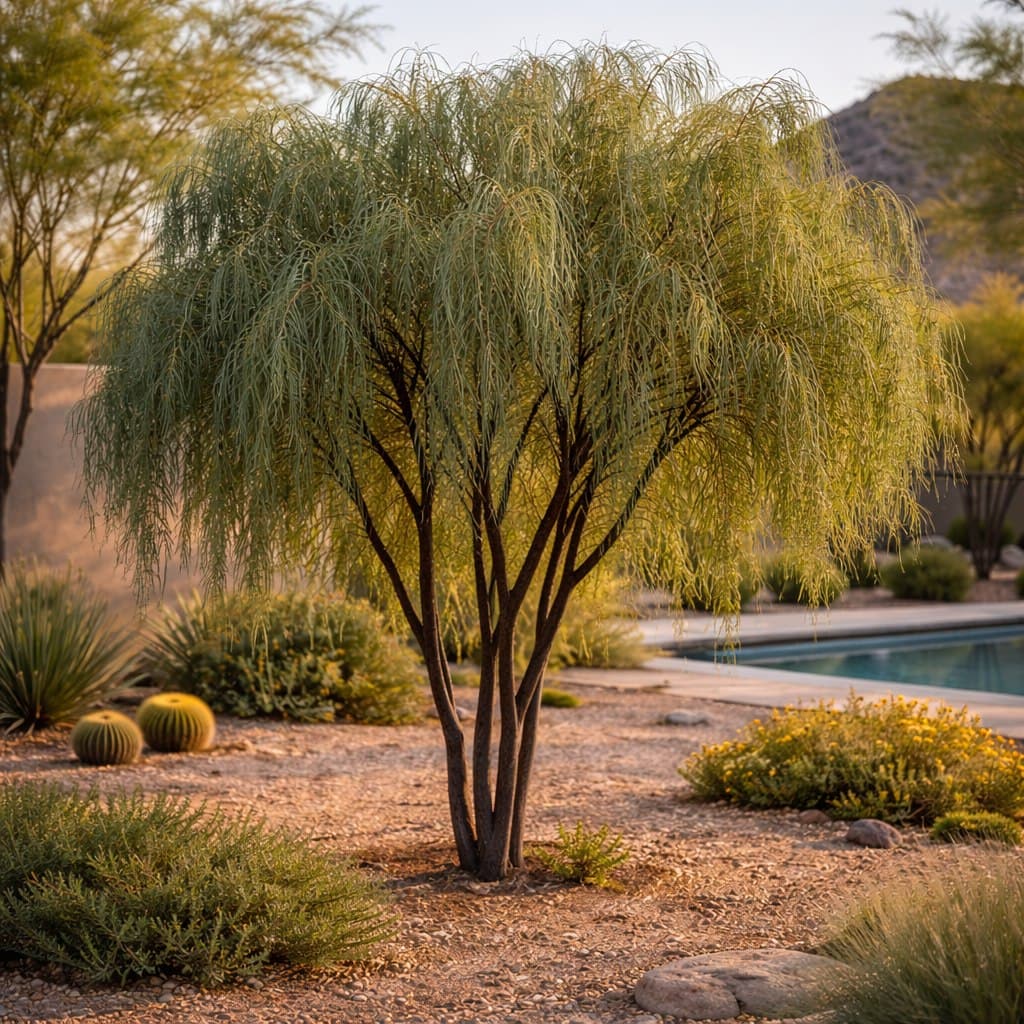
207+ desert-proven plants from the AMWUA “Landscape Plants for the Arizona Desert” guide. Filter by style, water needs, sun exposure, and more.
Already an Outdoor Dream Builders client? Use this library as a care resource for your landscape — every plant page includes watering, pruning, and seasonal care guides.
Showing 207 of 207 plants — page 1 of 9
Try Plant Match Tool →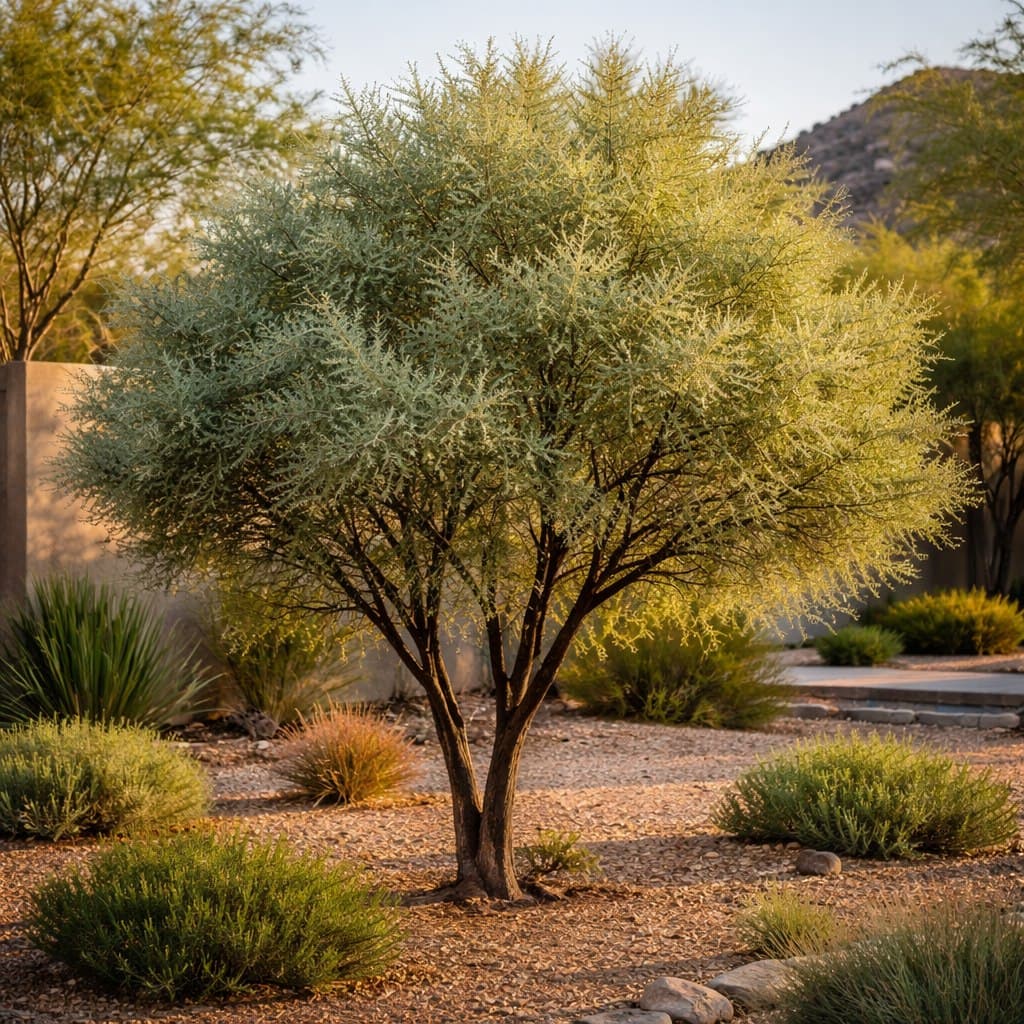
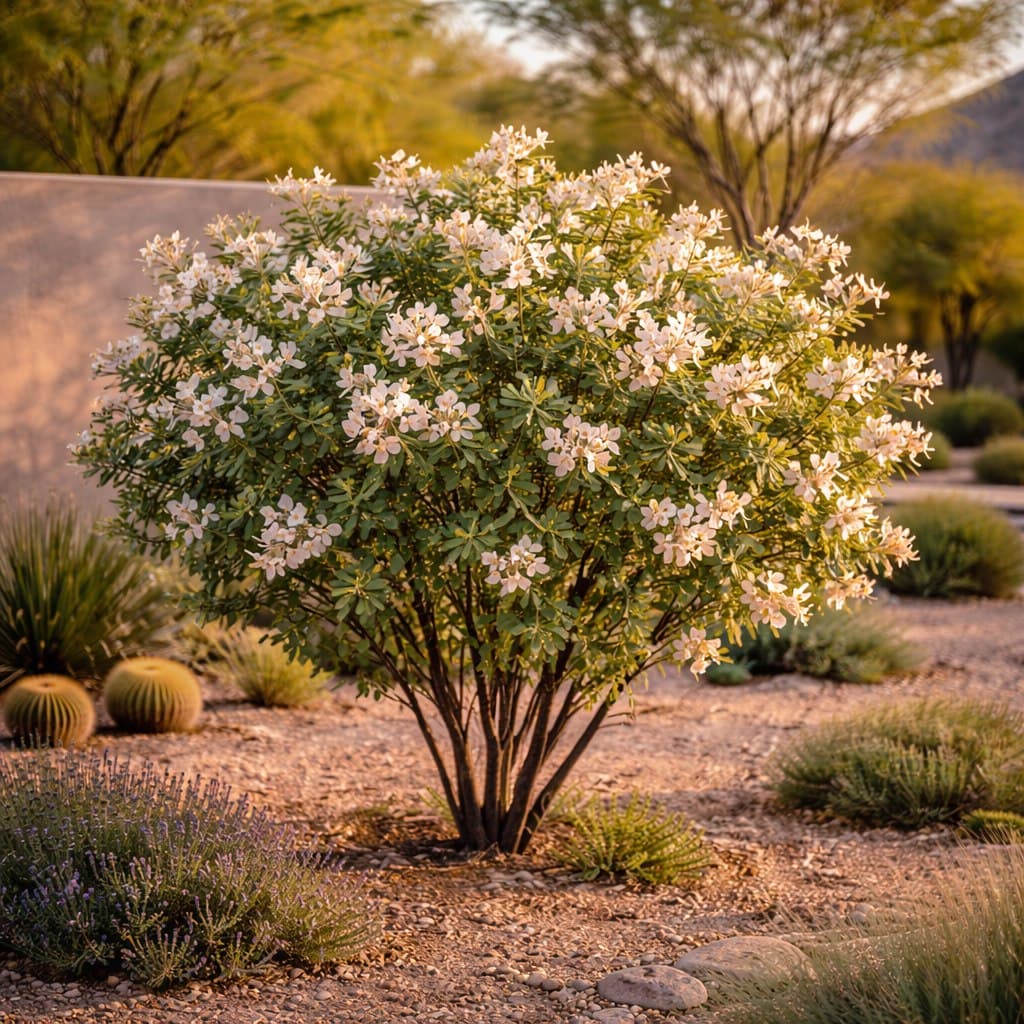
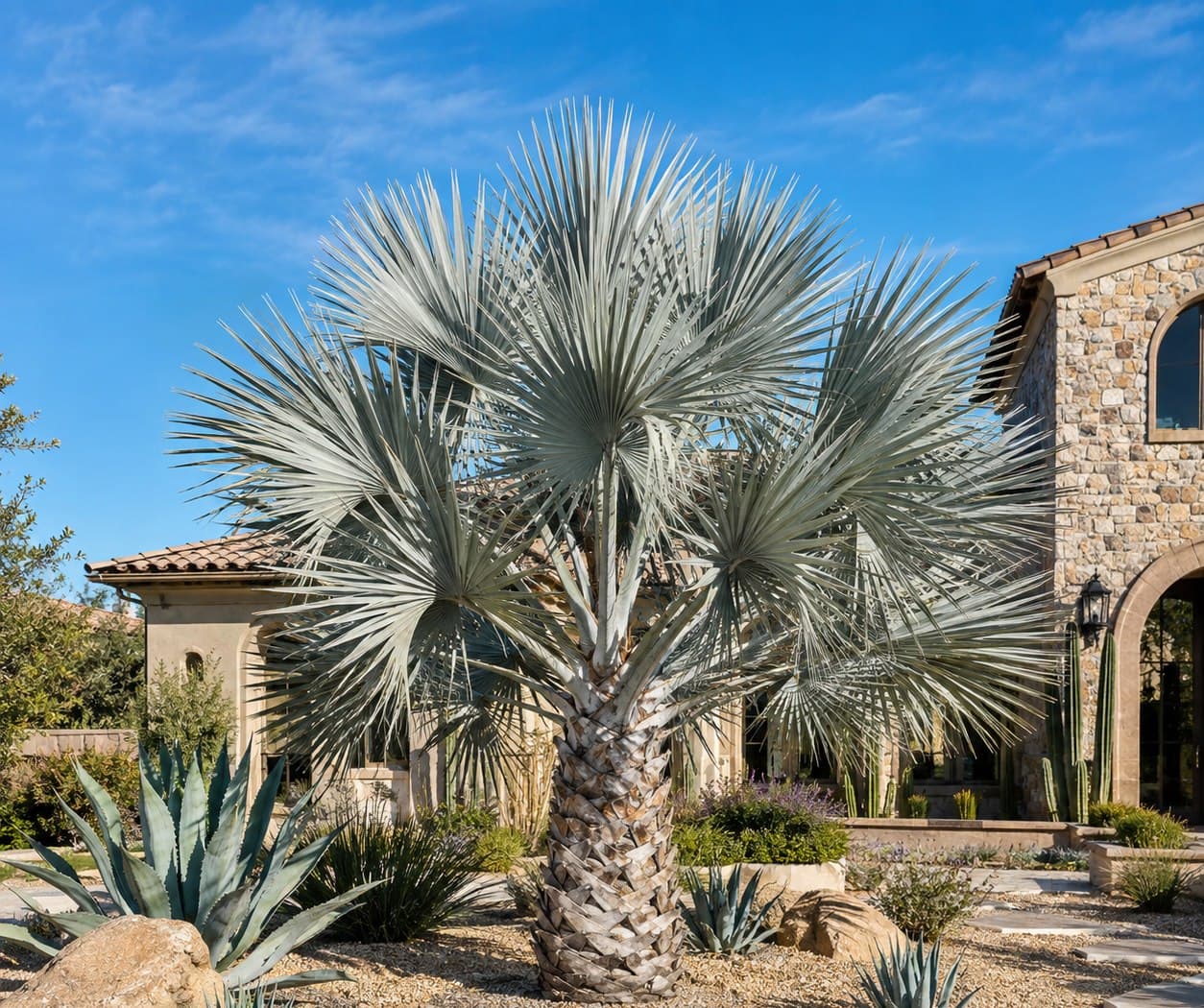
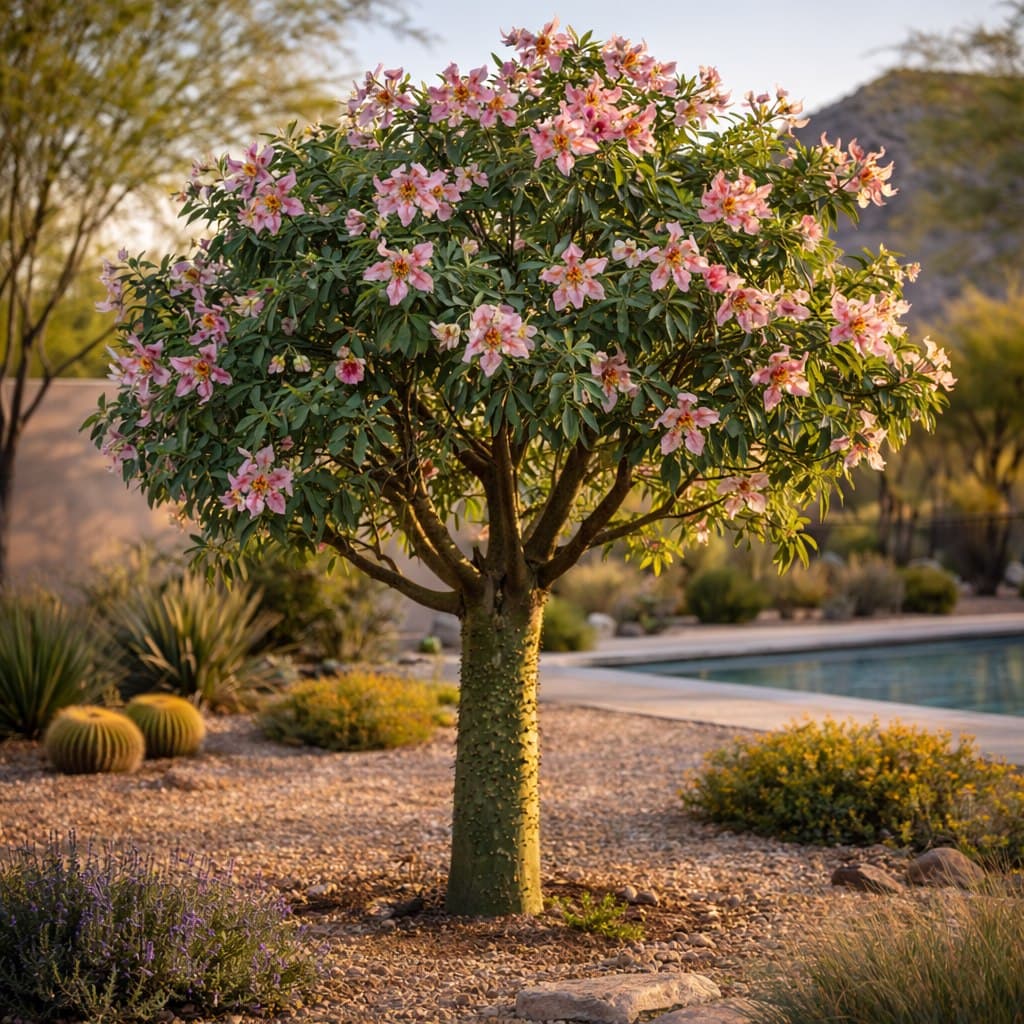
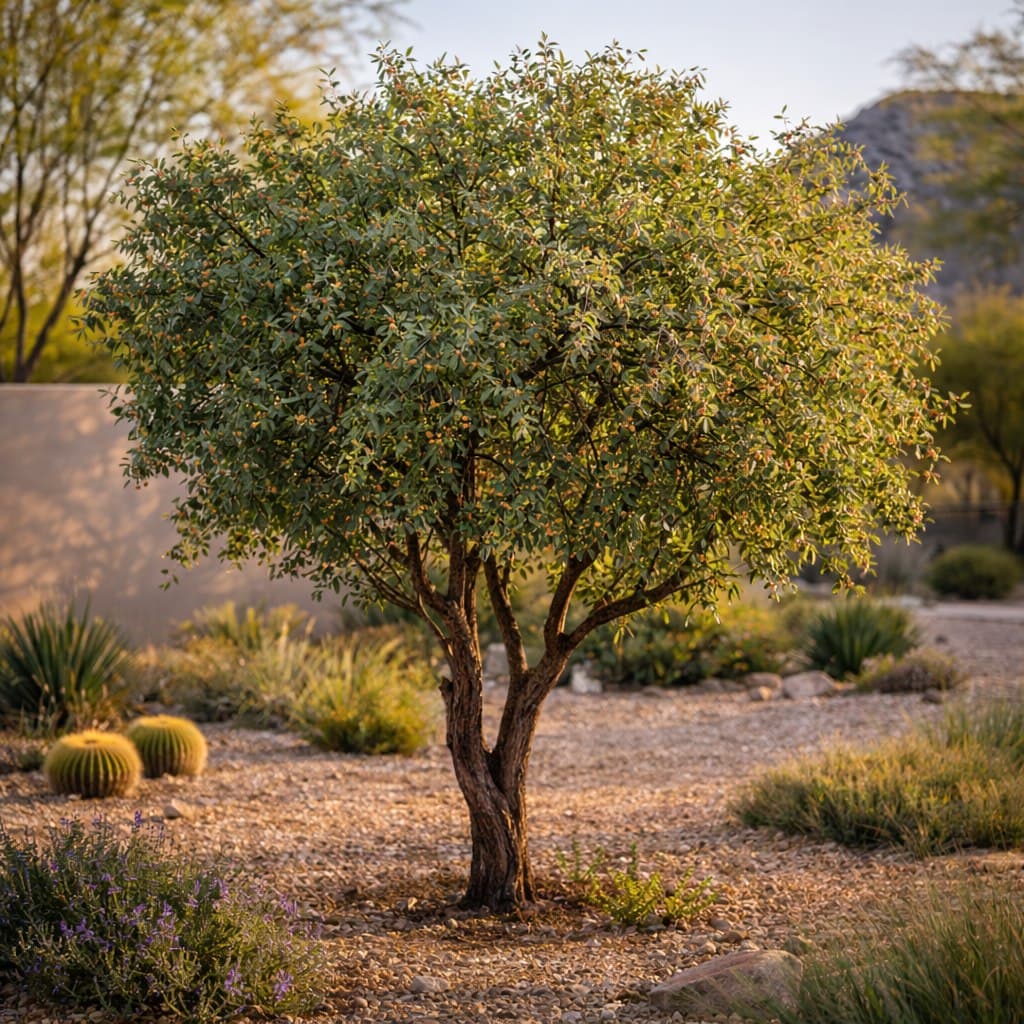
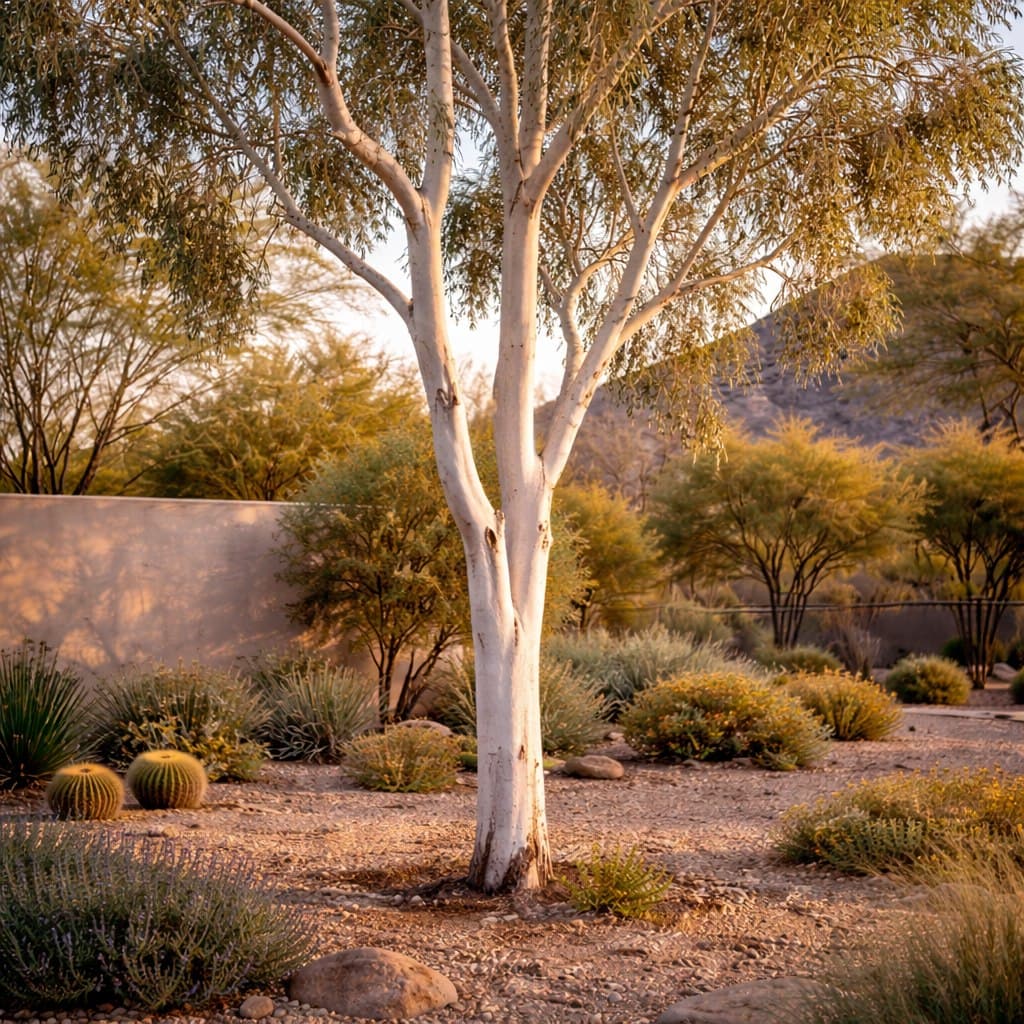
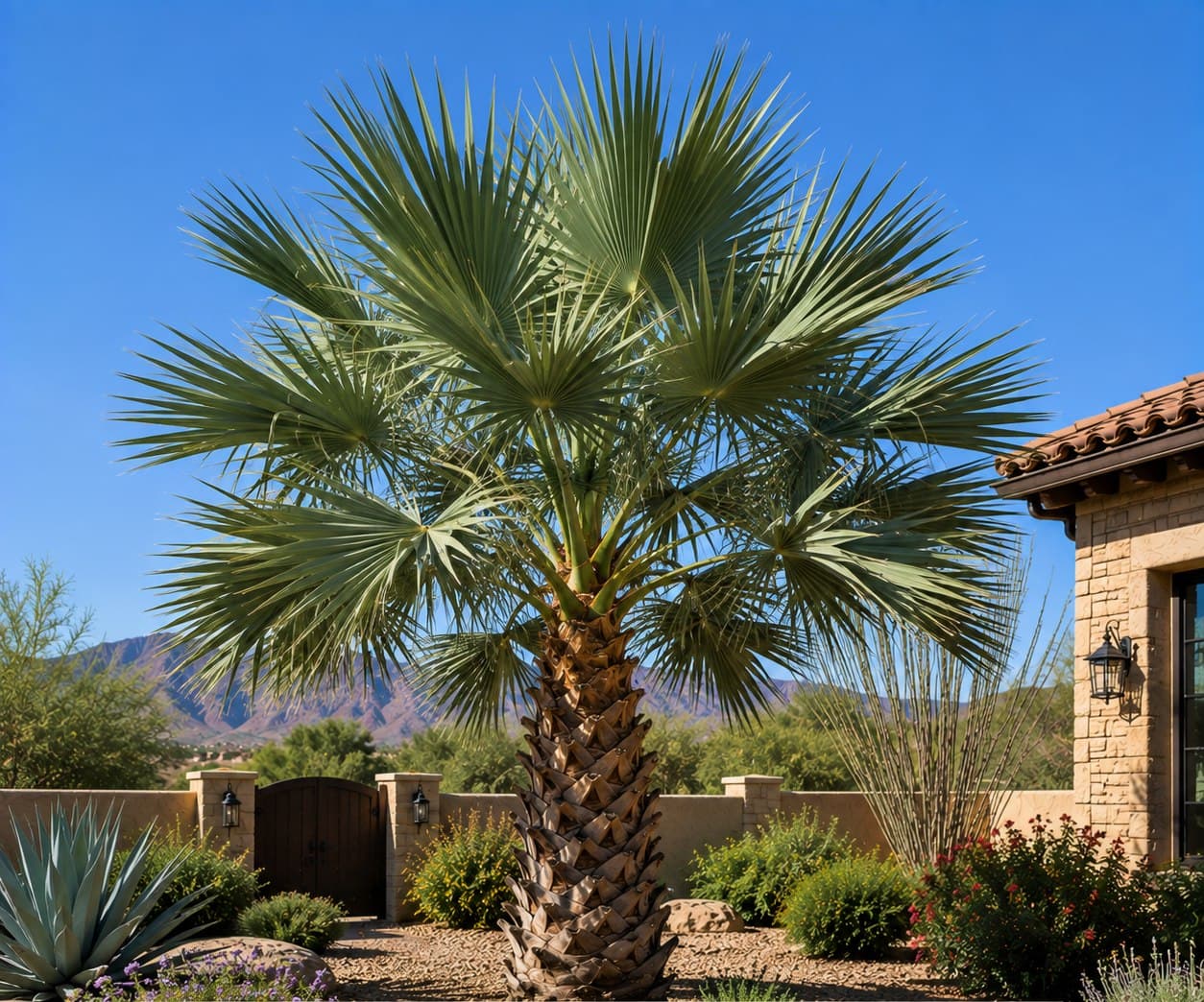
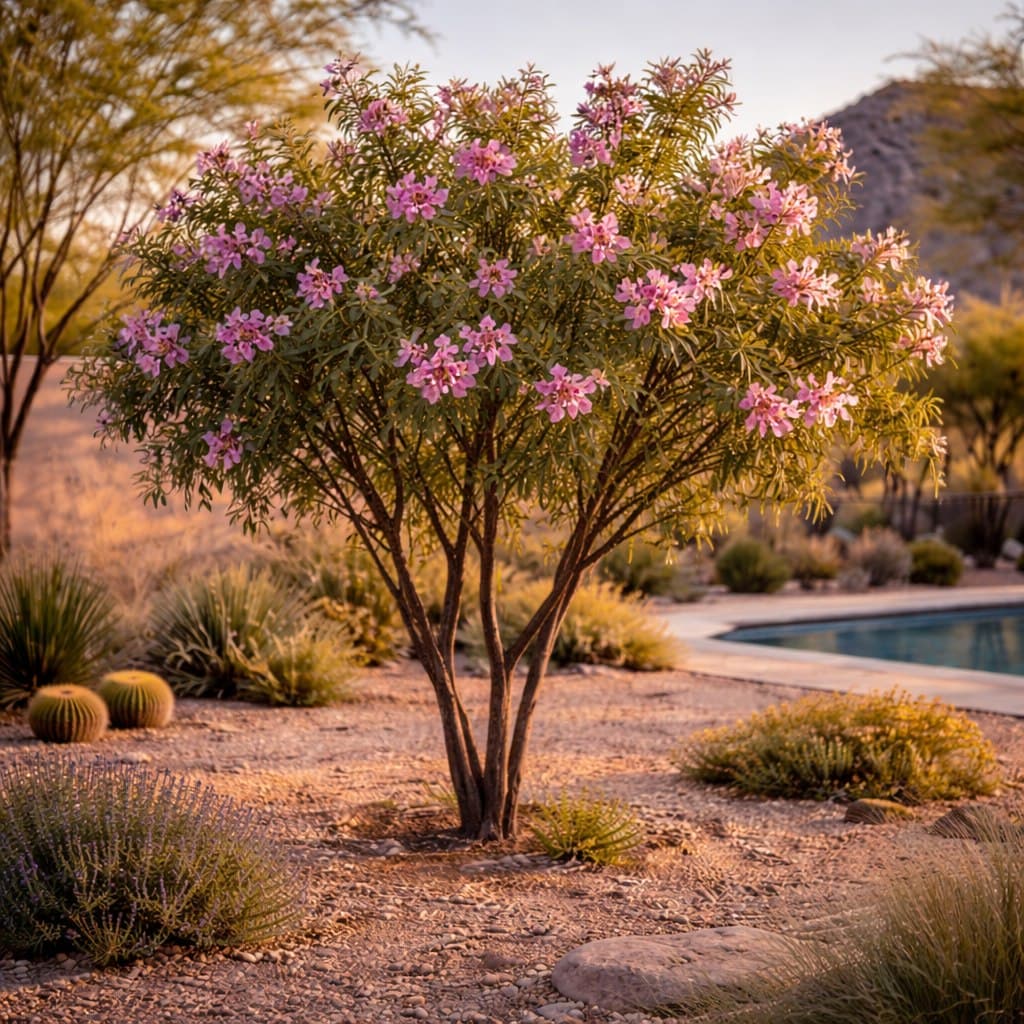
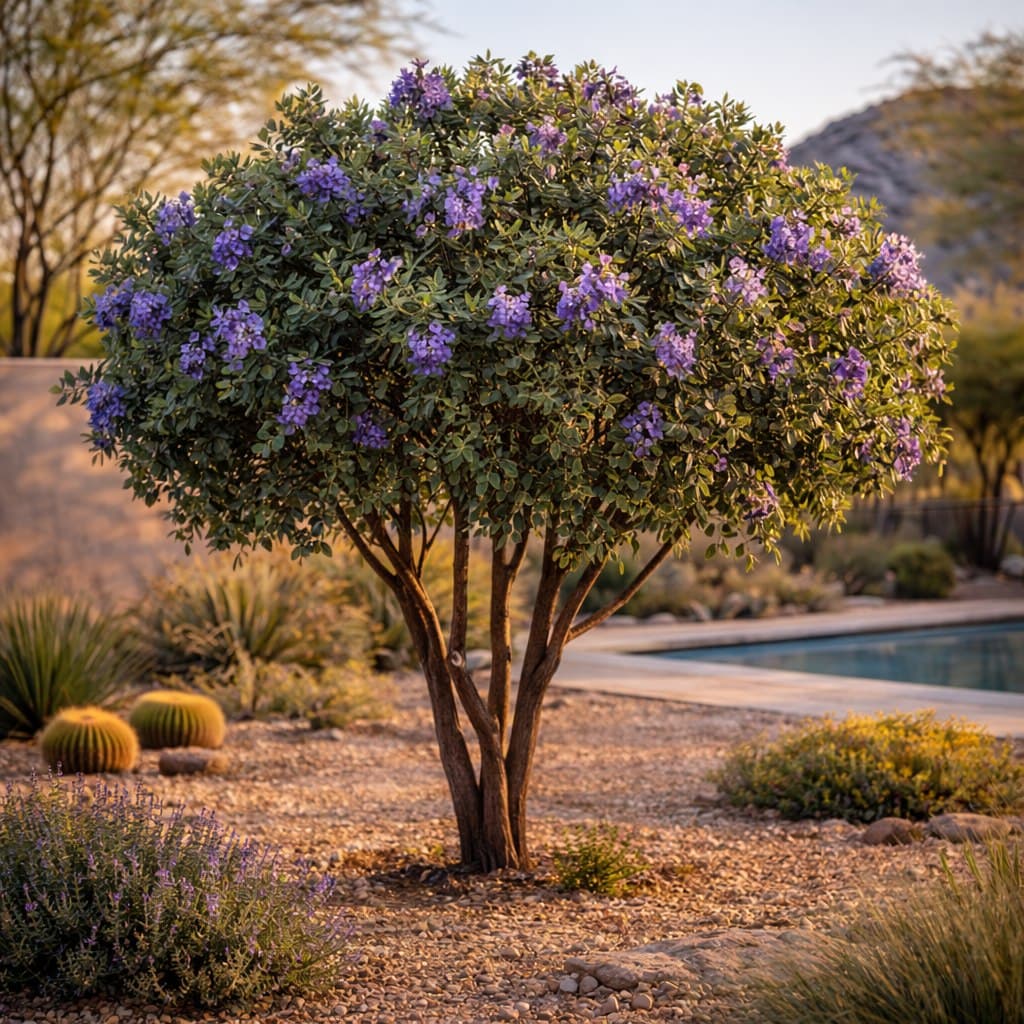
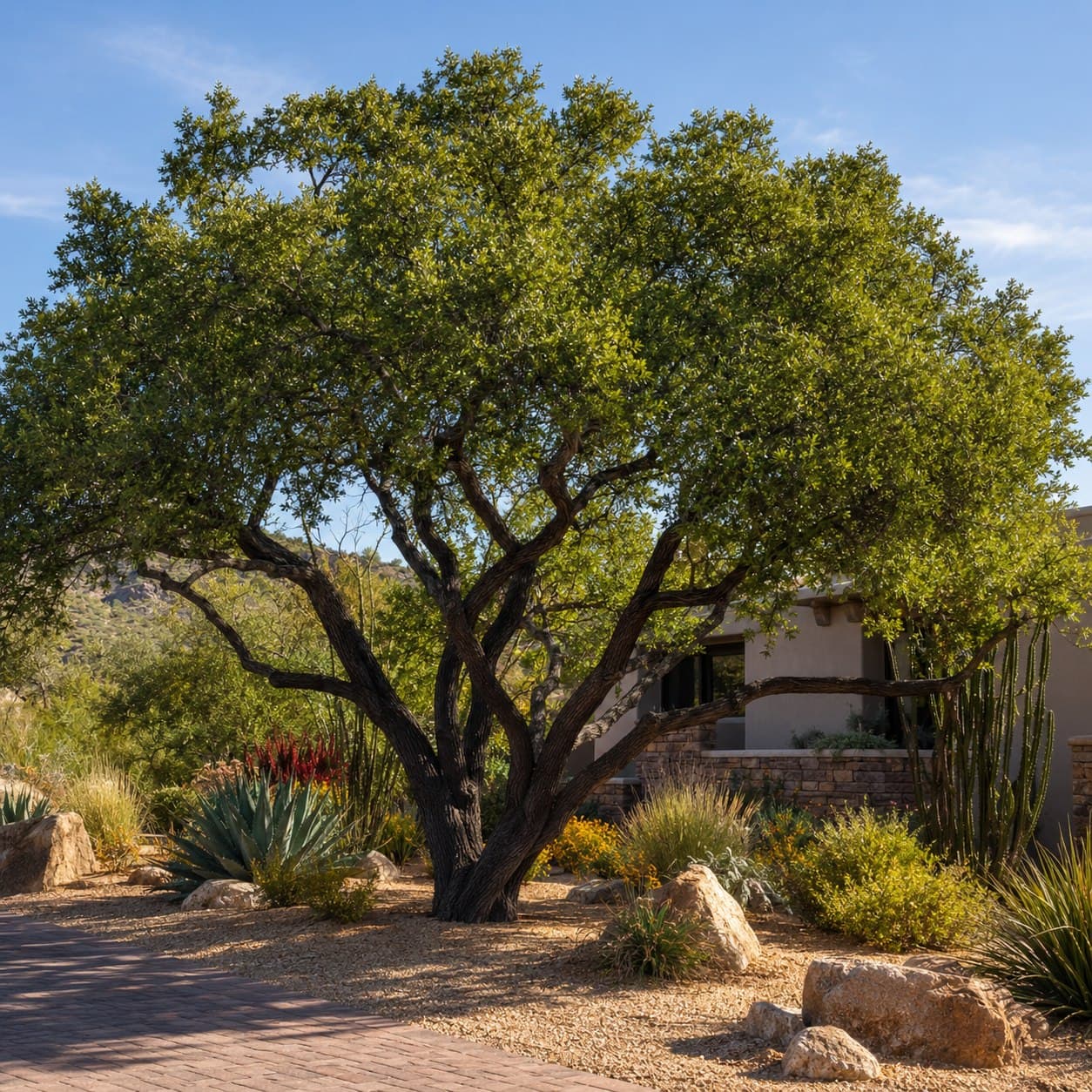
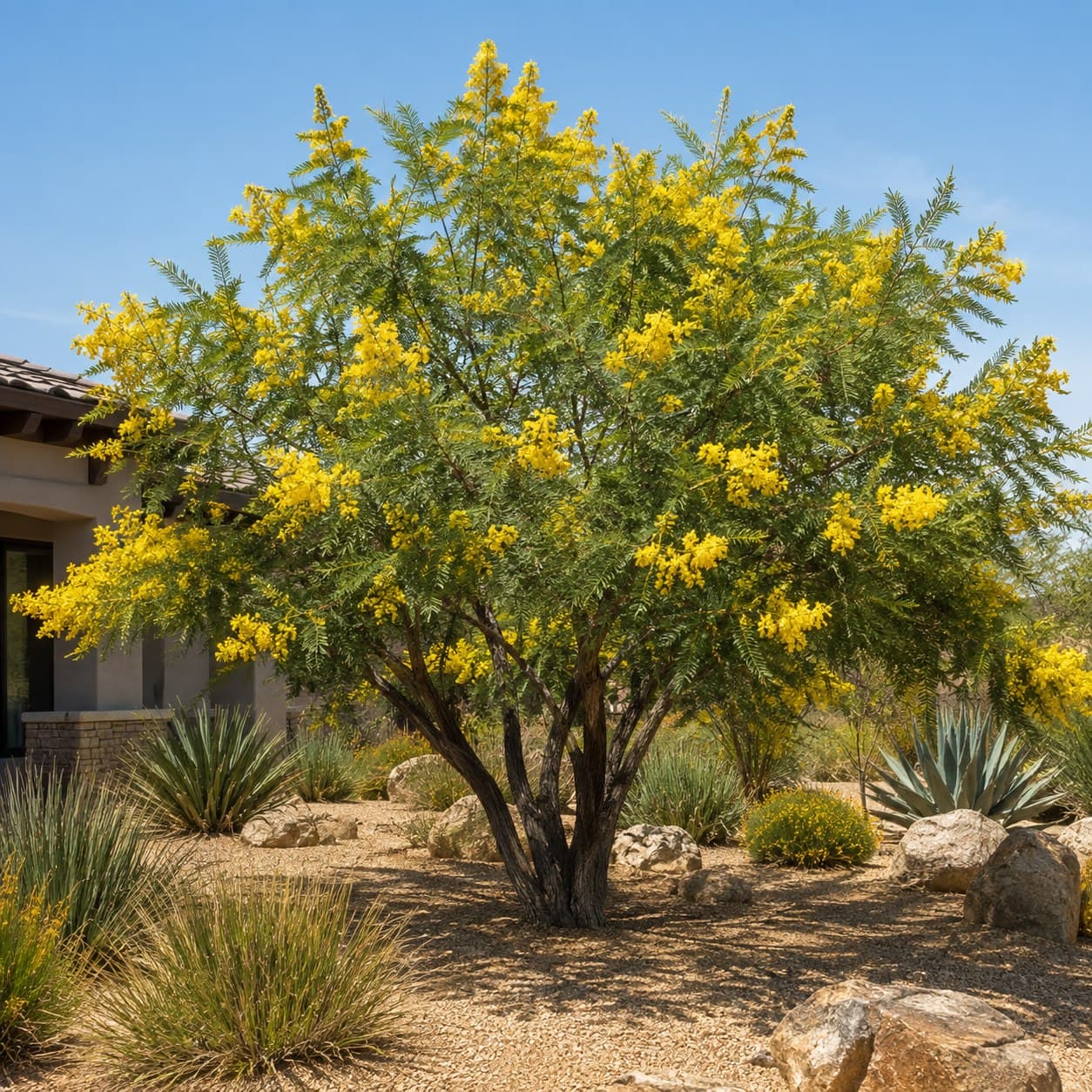
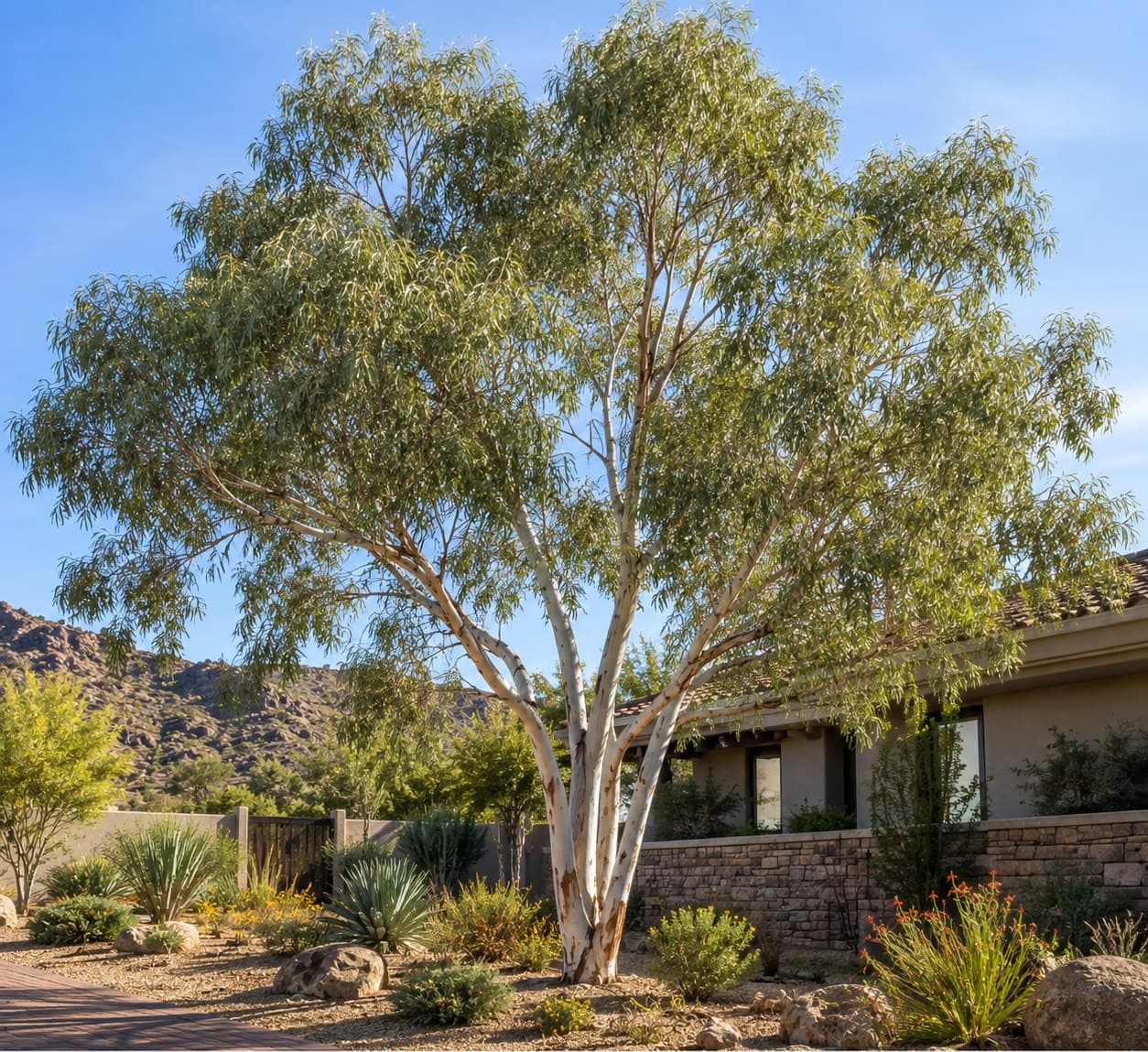
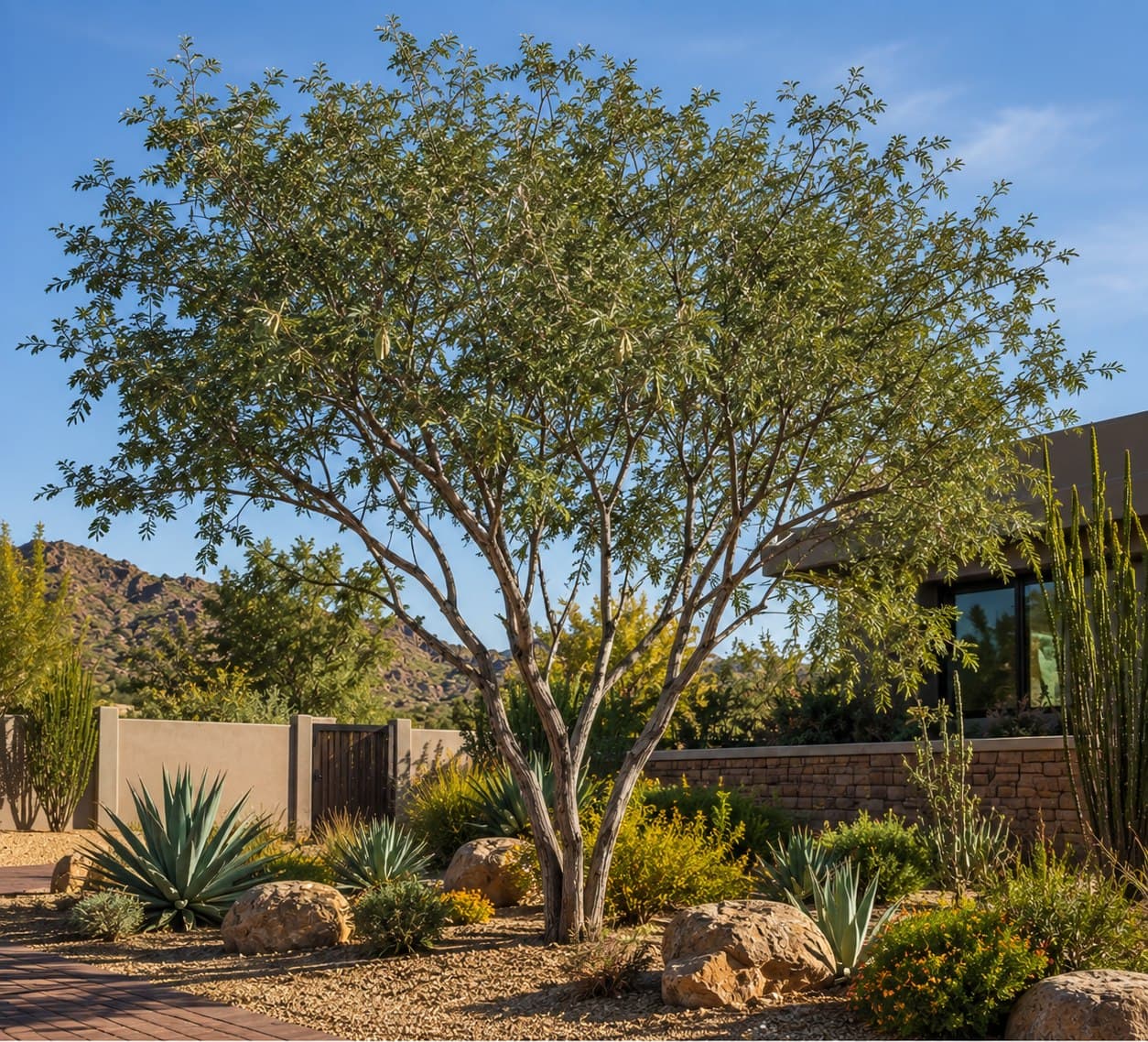
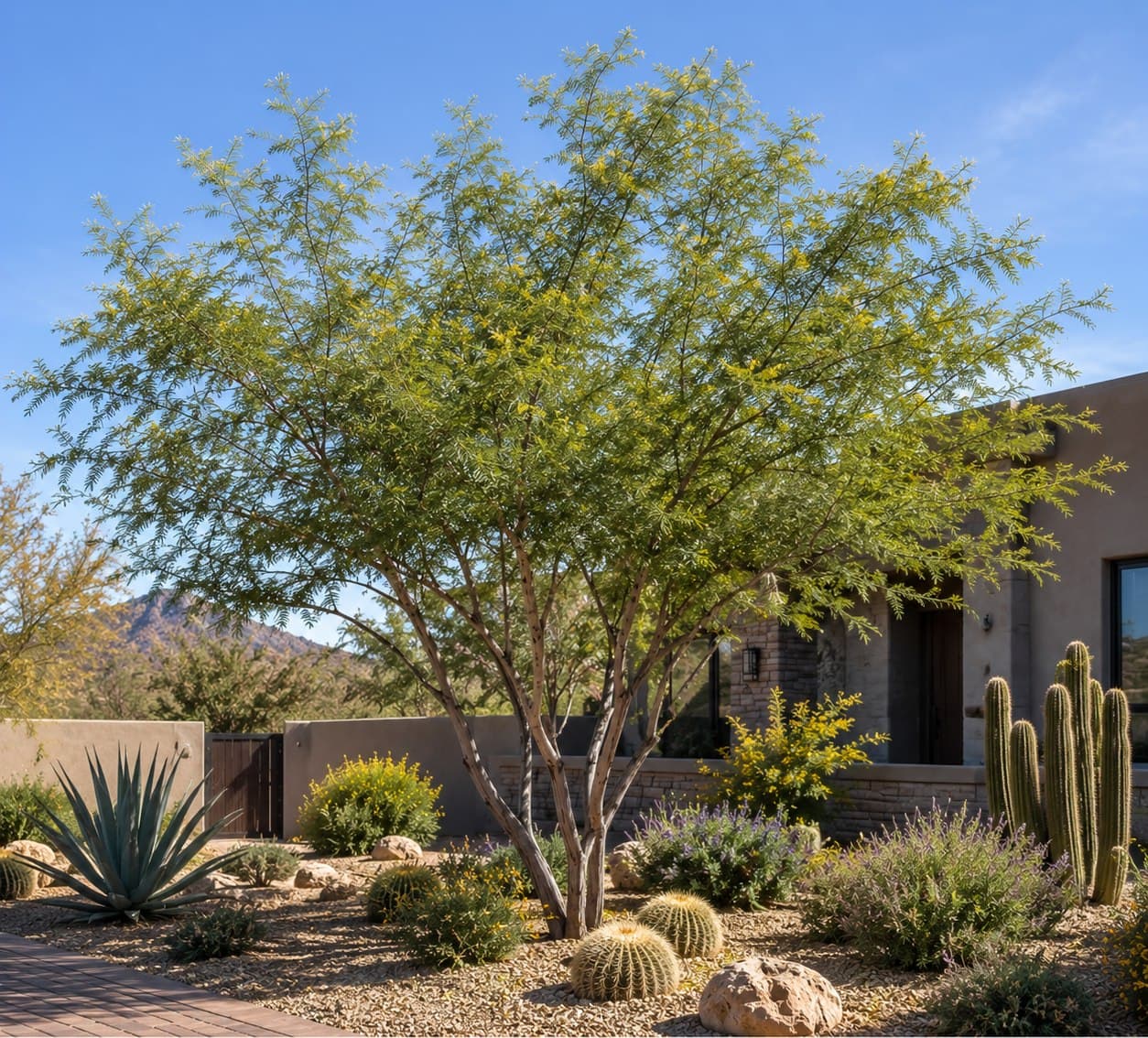
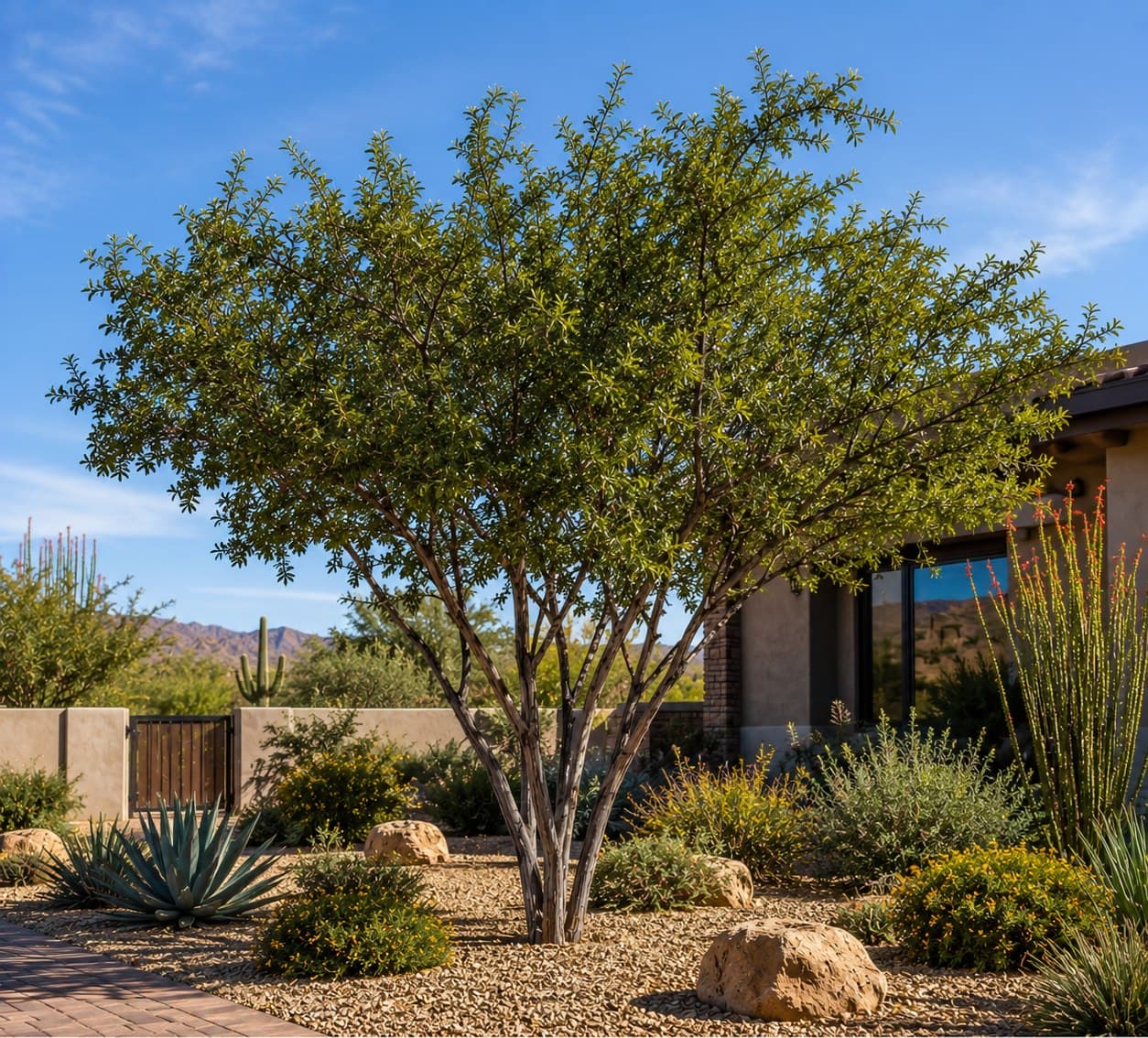
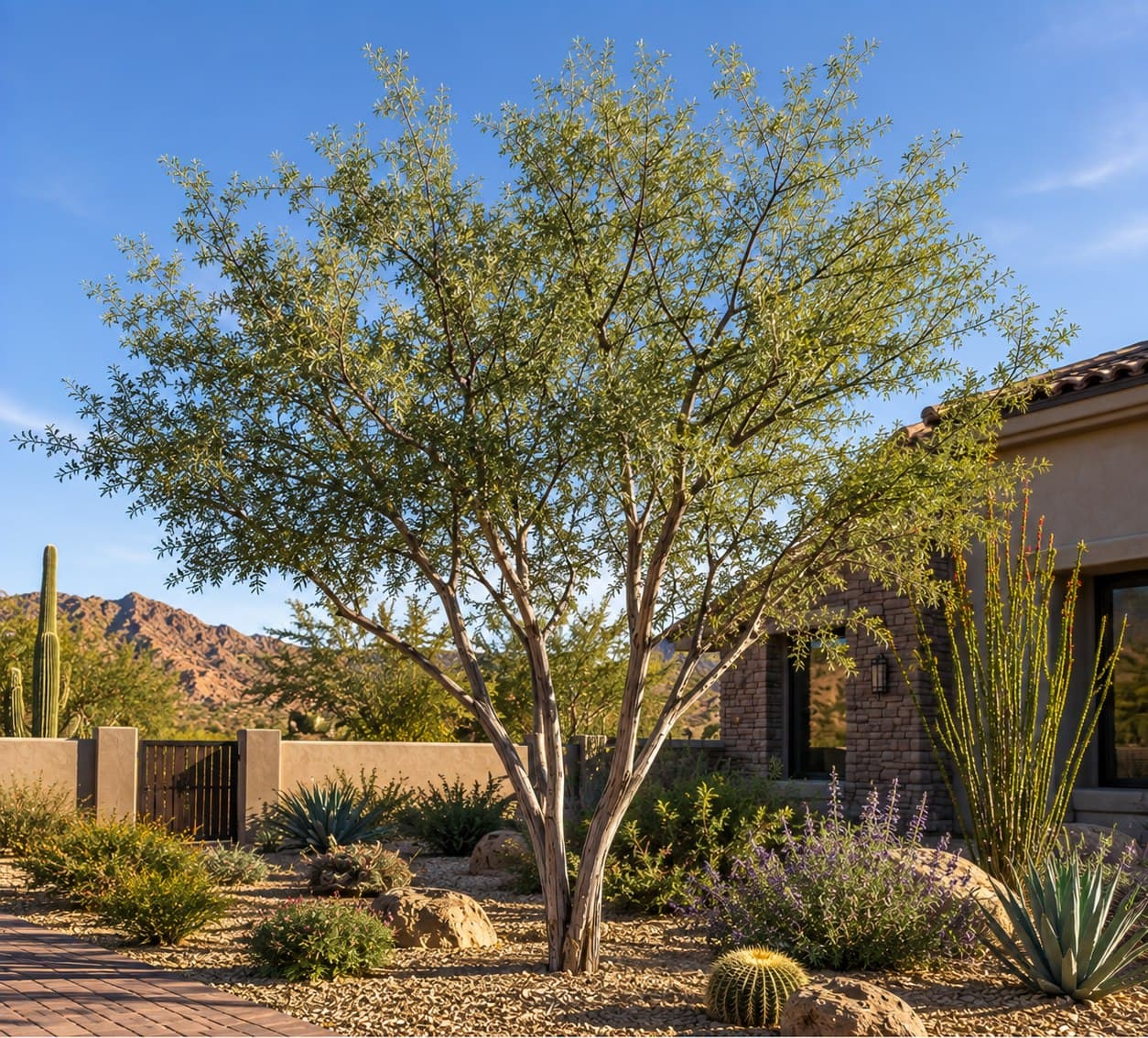
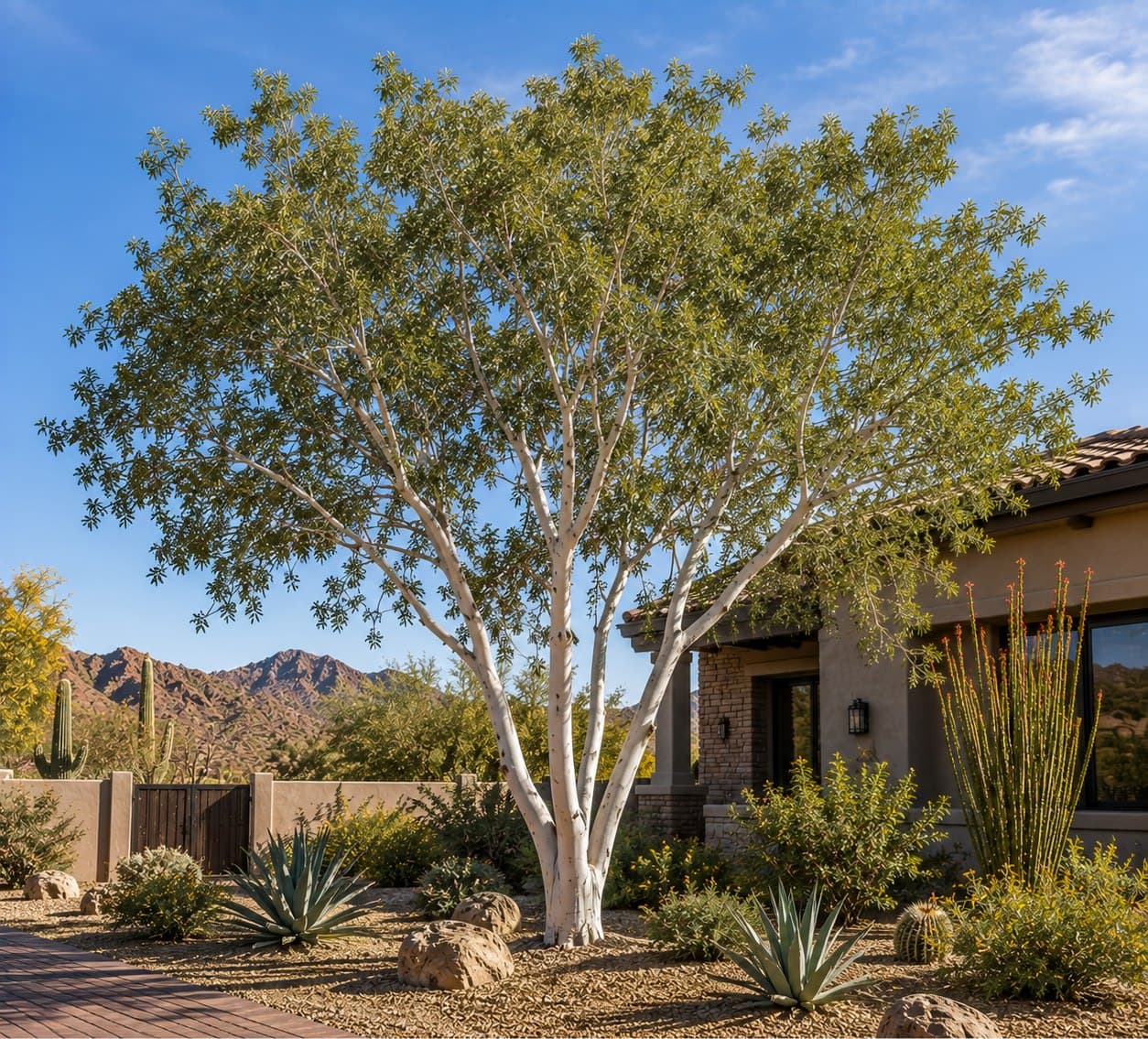
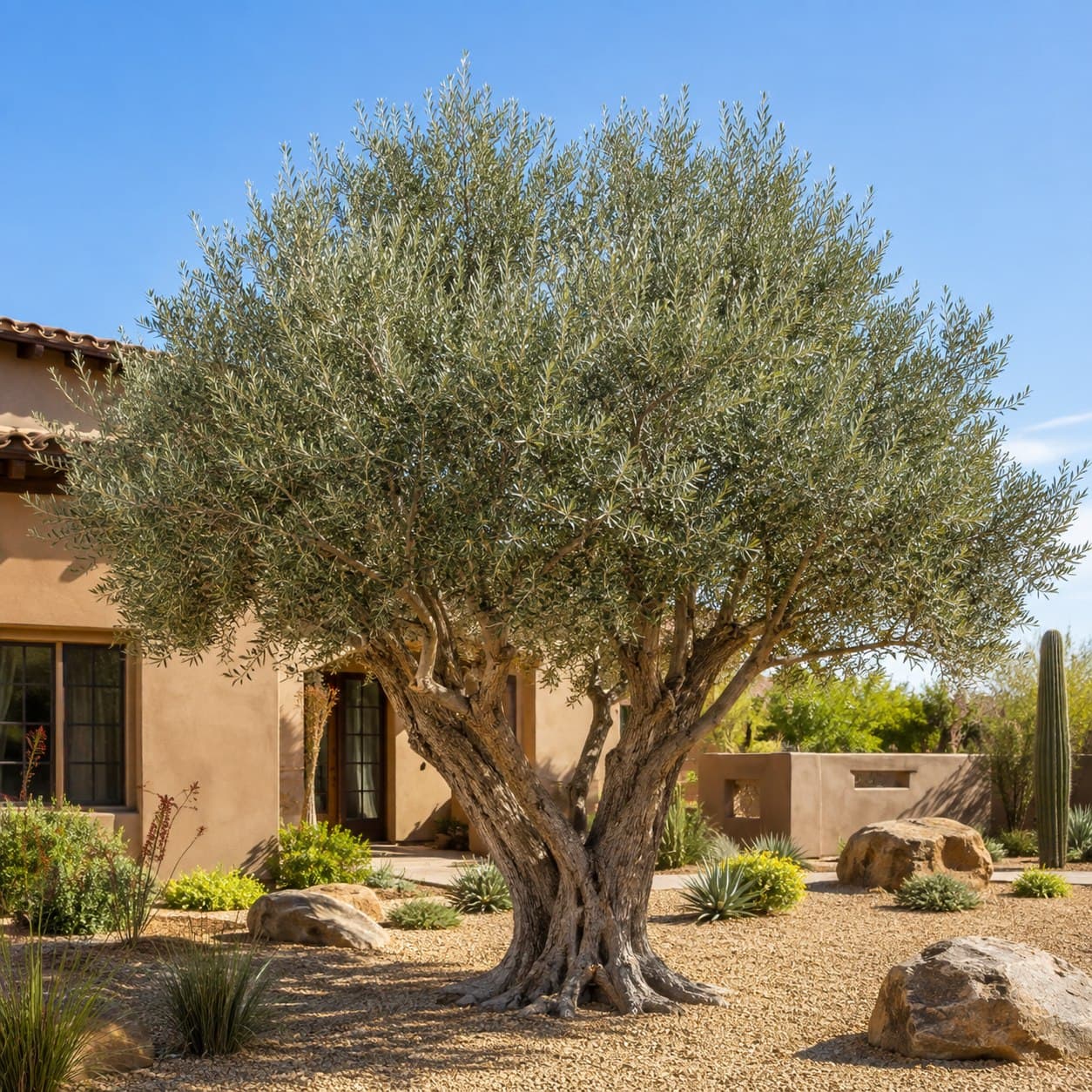
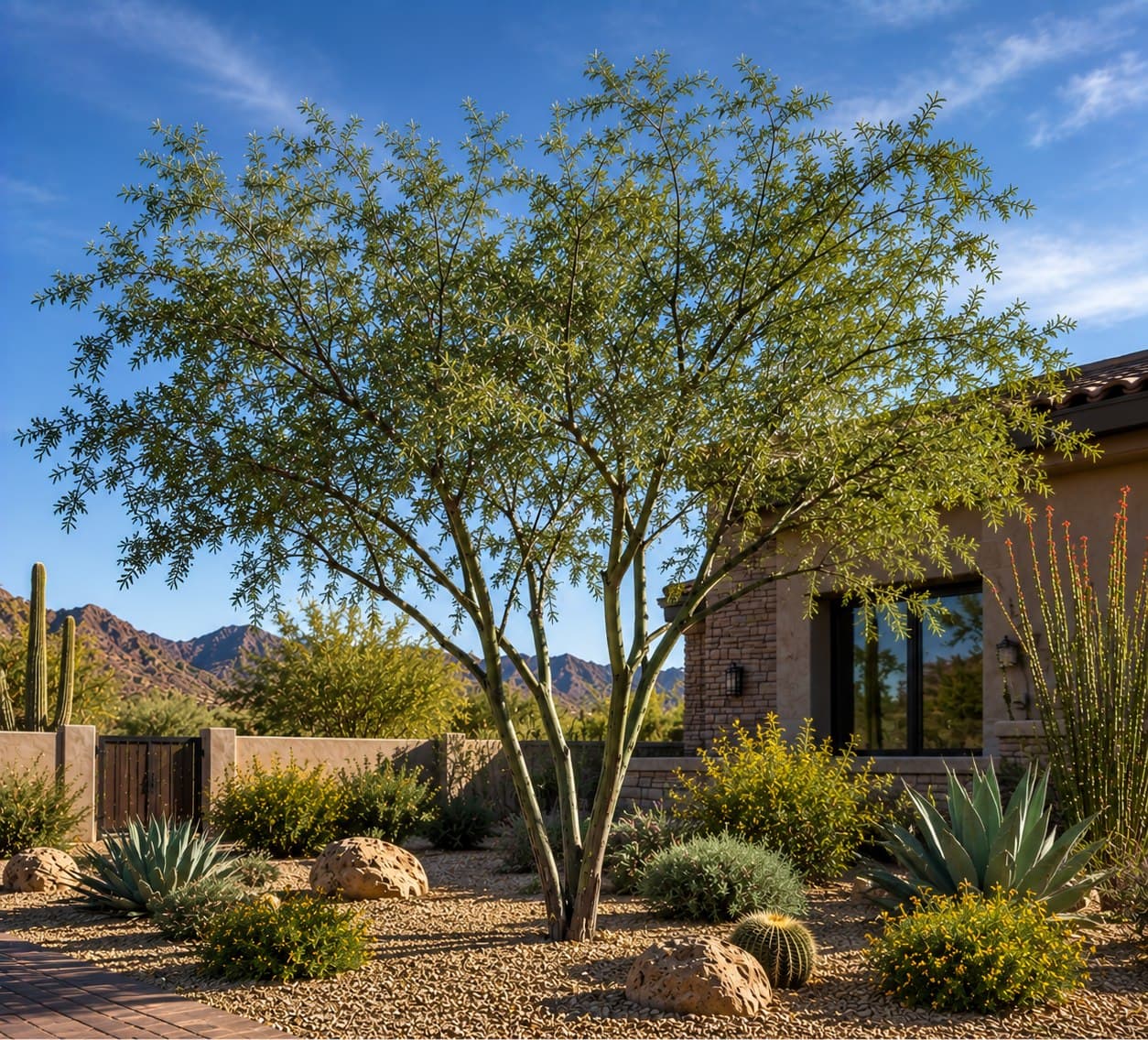
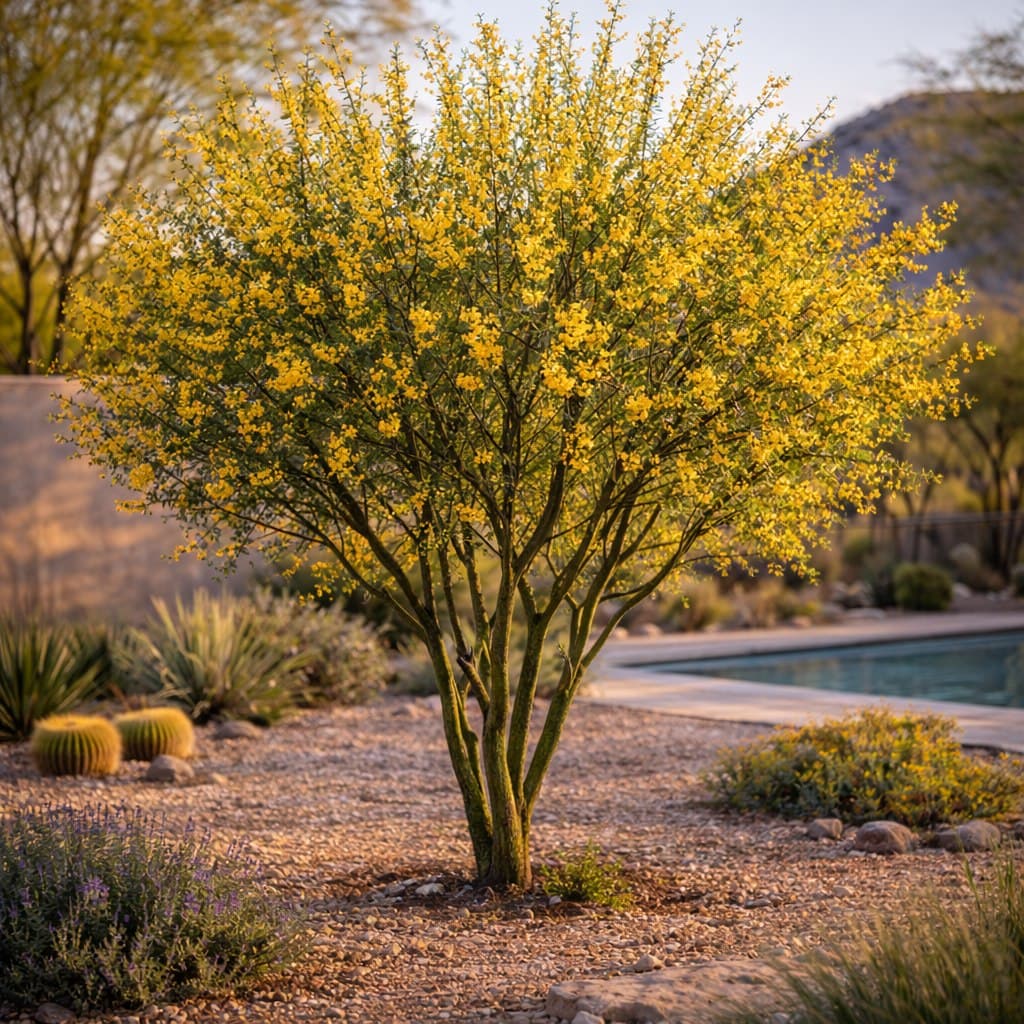
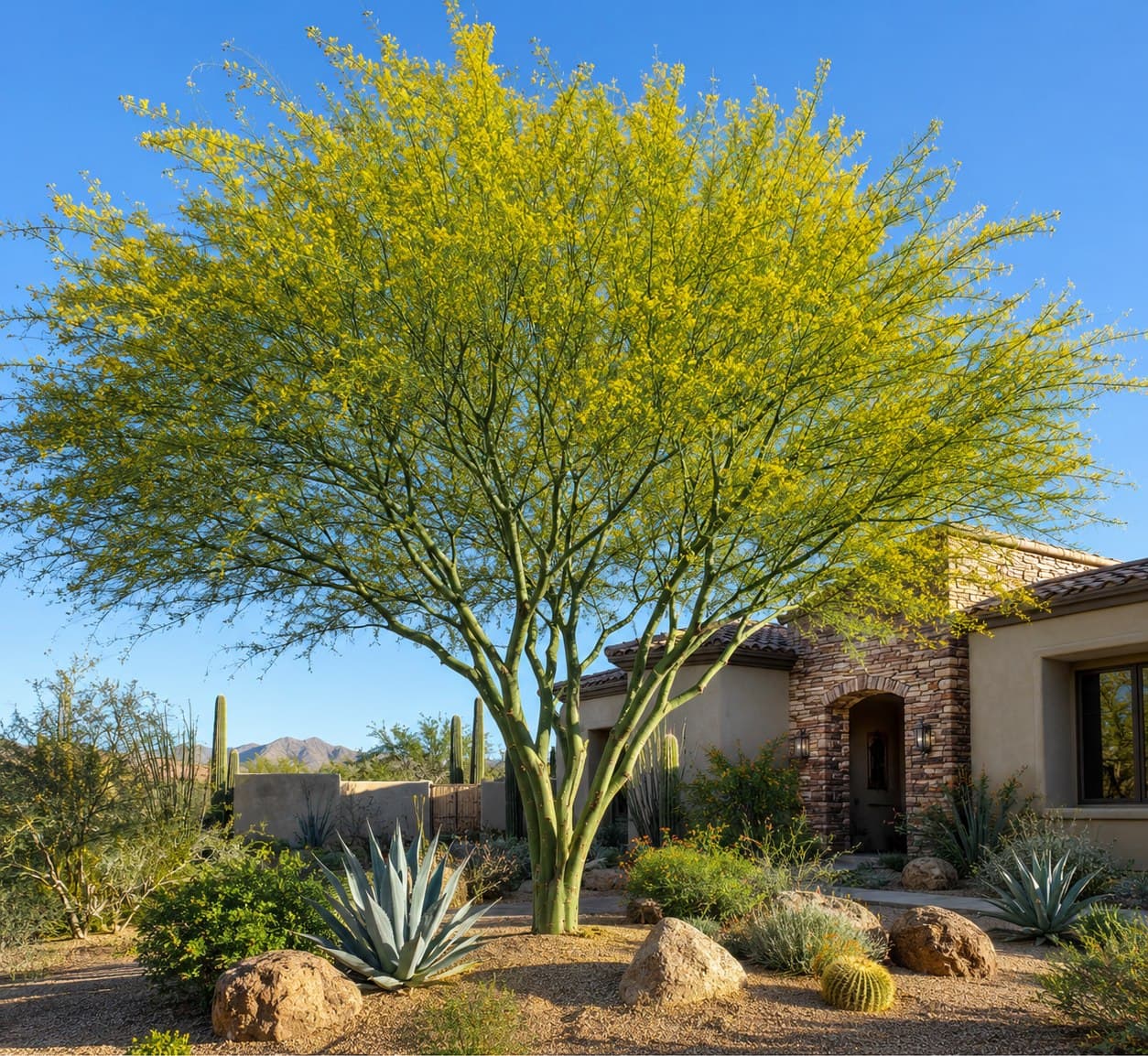
Plant data sourced from the 2024 AMWUA “Landscape Plants for the Arizona Desert” guide (amwua.org/plants) and UA Cooperative Extension poolside guidelines (AZ1058). All plants field-tested for Phoenix low-desert conditions (USDA Zone 9b–10a).
Planting in Arizona — common questions
The questions we get asked most about growing things in the low desert.
When is the best time to plant in Phoenix?
October through November is the prime window in the low desert. Planting in autumn gives roots the entire cool season to establish before the first real heat, and Phoenix does not reliably drop below 100°F until around October 5. February to March is the second-best window. Planting into May, June or July is the hardest way to do it — the plant spends its first months surviving instead of rooting.
Check current planting conditions →How often should I water new desert plants?
Deep and infrequent beats short and daily. The goal is to wet the full root zone and then let it dry, which pulls roots downward; frequent shallow watering keeps them at the surface where the soil bakes. New plantings need regular water through their first summer regardless of how drought-tolerant the species is, then taper off. Every plant page here lists its own established watering interval.
Does monsoon season affect planting and landscaping work?
Yes. Arizona’s monsoon officially runs June 15 through September 30, bringing humidity, heavy downpours, dust and gusty winds. Newly planted trees are vulnerable to blowing over before they root, and saturated ground plus wind is what topples established trees too. It is also why construction and hardscape schedules tighten up once monsoon closes.
What is caliche, and does it matter for planting?
Caliche is a hardened layer of calcium carbonate common in Arizona soils. It blocks drainage, so a planting hole dug into it can hold water like a bucket and drown roots — the most common cause of failure with drought-tolerant plants. If you hit a hard white layer while digging, it needs to be broken through so water can drain away.
Do plants freeze in Phoenix during winter?
Some do. Most of the Phoenix area sits in USDA zone 9b, so hard frosts are occasional rather than constant, but outlying and higher areas run colder and frost pockets form in low spots. Frost-tender species often freeze back and regrow in spring rather than dying. Every plant page lists its USDA range and its specific cold behaviour.
Browse Arizona natives →Which plants are actually safe to put near a pool?
The concern is litter and roots — leaves, flowers, seed pods and thorns that end up in the water or the skimmer, and roots that lift decking. Pool-friendly does not mean no litter at all; it means the plant stays clean enough to live near water without creating constant maintenance. We flag this on every plant.
See pool-friendly plants →Which plants use the least water?
Plants rated very-low water in this guide need almost no supplemental irrigation once established, which usually takes one to three years depending on species and size. Established is the key word — nothing is drought-tolerant on day one. Many of the toughest options are Sonoran Desert natives already adapted to local rainfall.
See low-water plants →How do I choose plants my HOA will approve?
Most Valley master-planned communities keep an approved plant list and review anything visible from the street. Native and desert-adapted species are the safest bet, and the usual sticking points are mature size, thorns near walkways, and anything that overhangs a sidewalk or wall.
Use the HOA helper →How far apart should I space plants?
Space by mature width, not by how the plant looks in the nursery pot. Crowding is the most common mistake in desert landscapes: plants that look sparse at planting are correctly spaced, and plants that look full immediately will be competing in three years. Every plant page lists its mature width and a recommended spacing.
Find plants by size →Climate figures are NOAA 1991–2020 normals published by NWS Phoenix. Plant data follows AMWUA’s low-desert recommendations.