
Yellow Bells
Tecoma stans

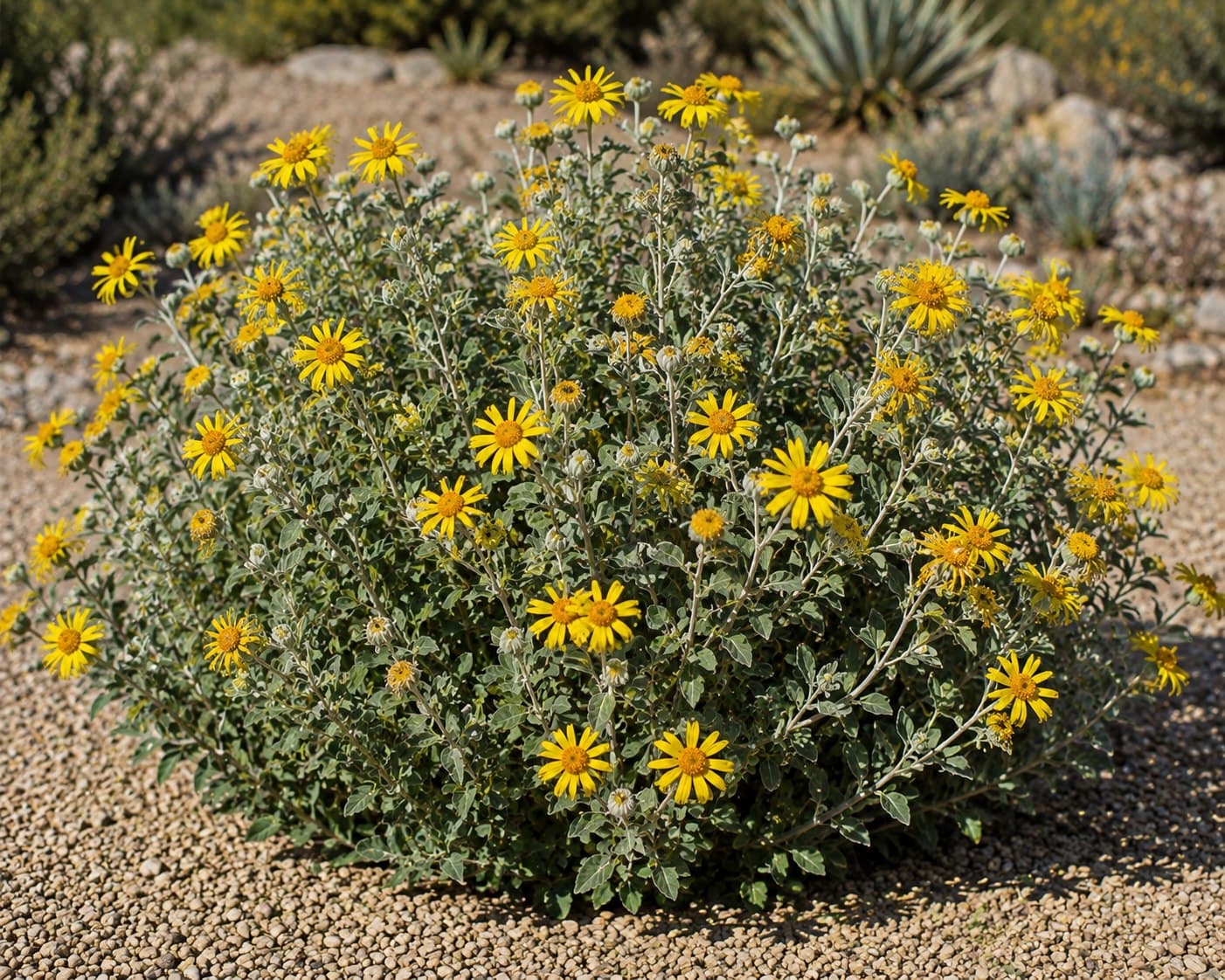
Arizona native that produces masses of trumpet-shaped yellow flowers from spring through fall.
Reliably root-hardy in Phoenix Zone 9b-10a. It shrugs off extreme desert heat but freezes back to the ground near 25°F, then flushes back vigorously from the roots each spring.
AMWUA Notes
A true low-water Arizona native that blooms on low irrigation once established, needing only occasional deep summer soaks to keep flowering.
Care Guide
Water deeply every 7-14 days in summer to sustain bloom, tapering to monthly or less in winter. Established plants are drought-tolerant but flower more freely with regular deep soaks.
Prune hard to 12-18 inches in late winter to renew the plant and control size. Deadhead spent flower clusters and remove seed pods through the season to prolong bloom.
Feed lightly with a balanced or bloom fertilizer in spring; native soils usually suffice, so avoid over-feeding which yields leaves at the expense of flowers.
Generally pest-free. Watch occasionally for aphids on new growth and treat with a strong water spray or insecticidal soap if needed.
Blooms spring through fall, peaking in the summer monsoon. Expect frost dieback in winter; cut back frozen stems and it regrows quickly once soil warms in spring.
Soil, Feeding & Propagation
Tolerant of most well-drained soils, including rocky, sandy, and native decomposed-granite desert soils.
Needs well-drained soil.
Low feeder.
Grown easily from seed and reseeds readily; also rooted from softwood cuttings taken in the warm season.
5-8 ft
Non-aggressive roots, but it reseeds freely — remove volunteer seedlings to prevent unwanted spread.
Placement Tips
- •Use as a fast-growing informal screen or background hedge — it fills in quickly to 6-12 feet.
- •Site near a patio or window where the trumpet flowers and visiting hummingbirds can be enjoyed up close.
- •Give it room away from walkways; it can sprawl 6-10 feet wide and drops seed pods.
- •Combine with red- and orange-flowering natives for a warm, pollinator-rich color block.
Features
Best Uses
Ecological Value
Attracts
Companion Plants


Quick Stats
Design Styles
Include in Your Project
Love Yellow Bells? Our landscape team sources from wholesale nurseries and can incorporate it into your design.
Talk to a Dream BuilderGet a Project EstimateAlready a Client?
Use this care guide to maintain your Yellow Bells. Questions about your landscape? Reach out anytime.
Data from 2024 AMWUA “Landscape Plants for the Arizona Desert” guide.
Yellow Bells — common questions
Answers for low-desert Phoenix conditions, drawn from this plant’s growing data.
How much water does Yellow Bells need in Phoenix?
Yellow Bells is a low-water shrub once established. Water deeply every 7-14 days in summer to sustain bloom, tapering to monthly or less in winter. Established plants are drought-tolerant but flower more freely with regular deep soaks. A true low-water Arizona native that blooms on low irrigation once established, needing only occasional deep summer soaks to keep flowering.
How big does Yellow Bells get?
Expect roughly 6-12 ft tall and 6-10 ft wide at maturity, with a fast growth rate. Allow about 5-8 ft of spacing when planting. Non-aggressive roots, but it reseeds freely — remove volunteer seedlings to prevent unwanted spread.
Can you plant Yellow Bells near a pool?
Yes. Yellow Bells is considered pool-friendly, meaning it stays clean enough around water features and hardscape. Litter is rated low.
Can Yellow Bells handle Arizona heat and winter frost?
Yellow Bells is hardy in USDA 9-11 and wants full sun. Reliably root-hardy in Phoenix Zone 9b-10a. It shrugs off extreme desert heat but freezes back to the ground near 25°F, then flushes back vigorously from the roots each spring. Blooms spring through fall, peaking in the summer monsoon. Expect frost dieback in winter; cut back frozen stems and it regrows quickly once soil warms in spring.
Does Yellow Bells have thorns?
No. Yellow Bells is thornless, so it is safe alongside walkways, patios and play areas.
Is Yellow Bells safe around pets?
Yellow Bells is listed as pet-friendly in this guide. If your dog is a determined chewer, check any new plant with your vet before planting.
When does Yellow Bells bloom in Arizona?
Yellow Bells blooms in spring-fall, with yellow flowers. The bloom draws hummingbirds, bees, butterflies.
How much maintenance does Yellow Bells need?
Yellow Bells is low-maintenance. Leaf, flower and pod litter is rated low. Prune hard to 12-18 inches in late winter to renew the plant and control size. Deadhead spent flower clusters and remove seed pods through the season to prolong bloom.
What kind of soil does Yellow Bells need?
Tolerant of most well-drained soils, including rocky, sandy, and native decomposed-granite desert soils. Nutrient needs are low. Feed lightly with a balanced or bloom fertilizer in spring; native soils usually suffice, so avoid over-feeding which yields leaves at the expense of flowers.
Is Yellow Bells native to Arizona?
Yes. Yellow Bells is native to Arizona and to the Arizona, southwestern US, Mexico, so it is adapted to local rainfall, soil and heat.