
Superstition Mallow
Abutilon palmeri

A subtropical shrub with velvety leaves and orange-yellow flowers that attract bees and butterflies throughout the warm season.
Hardy in USDA zones 9-11; root-hardy through low-desert winters, it may suffer top frost damage below about 25F but recovers, and it thrives in extreme summer heat.
AMWUA Notes
Sonoran native that tolerates reflected heat but rewards supplemental irrigation with a fuller canopy and longer bloom.
Care Guide
Despite being a desert native, this species performs best with regular deep soaks every 5-7 days in summer heat; taper to every 2-3 weeks in winter to keep the velvety foliage full.
Tip-prune lightly to shape and cut back by about one-third in late winter to renew growth; never shear into a formal ball, which ruins its soft natural form and reduces bloom.
A single light application of balanced or slow-release fertilizer in early spring is plenty; over-feeding produces leggy, floppy growth.
Watch for whiteflies and spider mites during the hottest months, especially on drought-stressed plants; a strong hose spray usually knocks them back.
May defoliate or freeze back in a hard frost below the mid-20s but reliably resprouts from the base in spring; blooms heaviest from spring through fall.
Soil, Feeding & Propagation
Adaptable to rocky, sandy, or decomposed-granite desert soils; tolerates caliche and alkaline pH 7.5-8.5 given good drainage.
Needs well-drained soil.
Low feeder.
Grown readily from seed; softwood cuttings root in warm weather.
4 ft
Shallow, non-aggressive roots; safe near walls, pools, and hardscape.
Placement Tips
- •Give it a 4 ft footprint and space plants about 4 ft apart for a soft, informal massing along a border.
- •Site it where it receives afternoon relief or filtered light in the hottest yards; its higher water need makes it a poor fit for pure gravel xeriscape.
- •Use as a mounding filler in front of taller screening shrubs where its long bloom season reads all season.
- •Keep back from pool coping since the soft leaves and spent flowers can drop into the water.
Features
Best Uses
Ecological Value
Attracts
Wildlife Value
Companion Plants
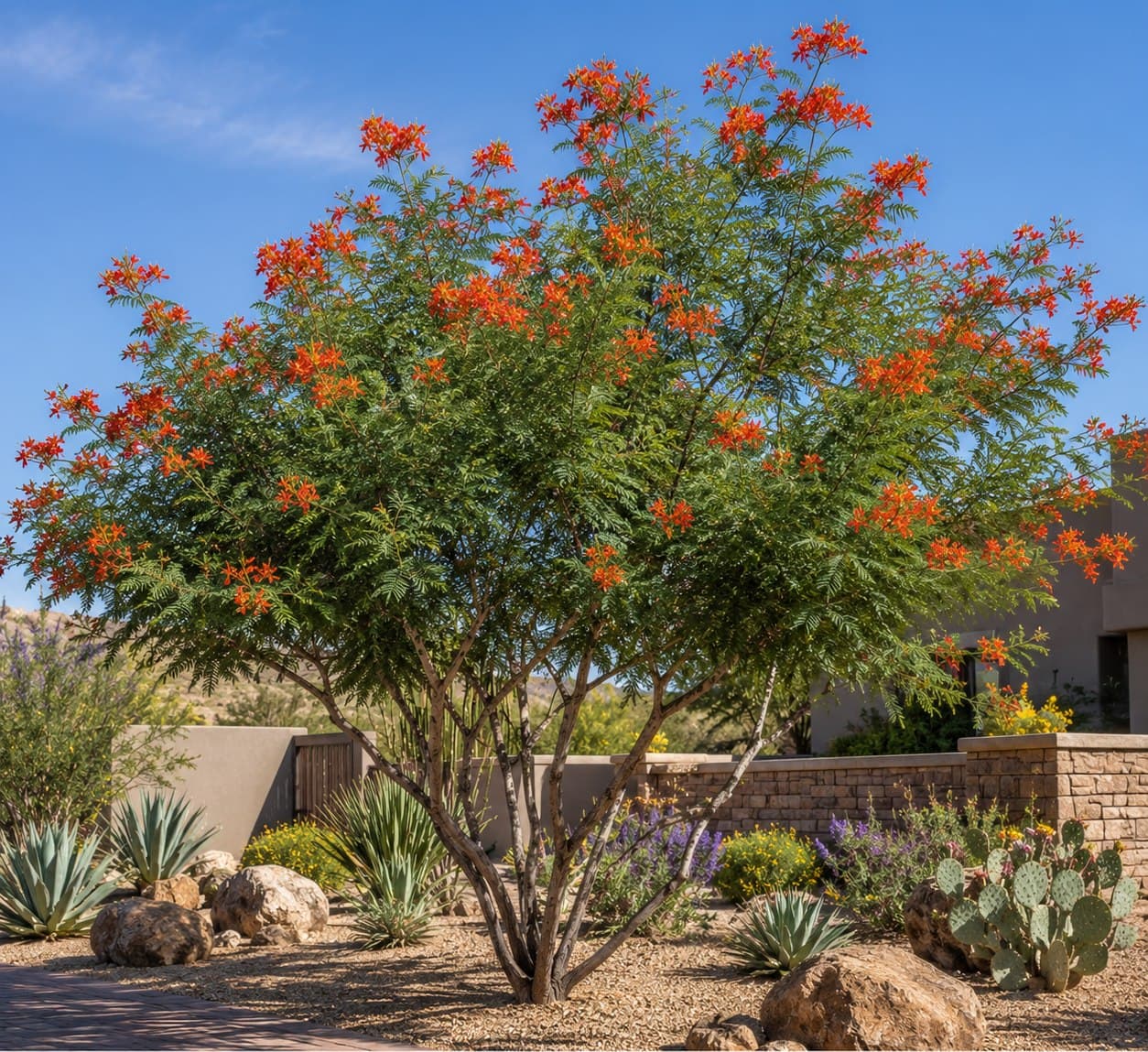

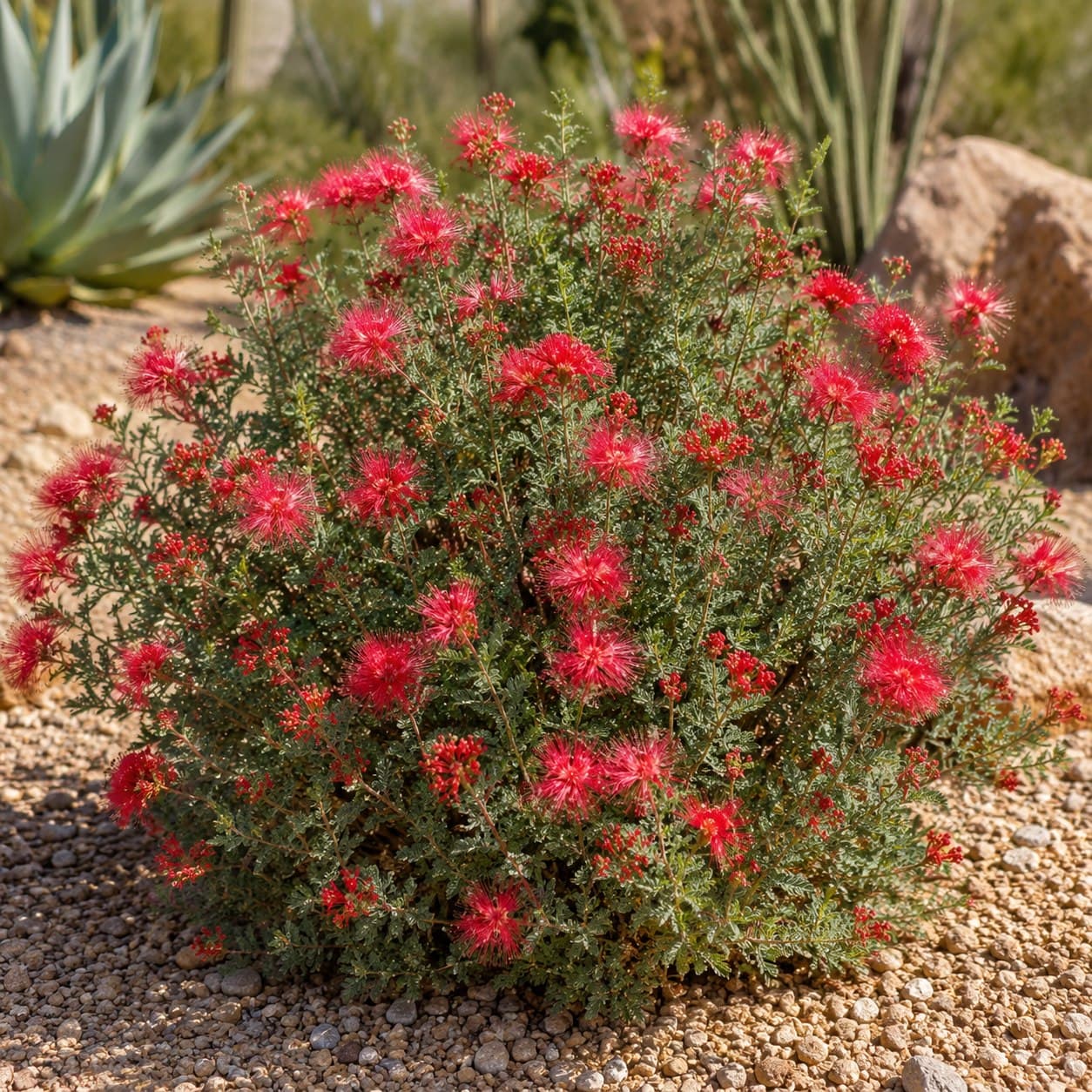

Quick Stats
Design Styles
Include in Your Project
Love Superstition Mallow? Our landscape team sources from wholesale nurseries and can incorporate it into your design.
Talk to a Dream BuilderGet a Project EstimateAlready a Client?
Use this care guide to maintain your Superstition Mallow. Questions about your landscape? Reach out anytime.
Data from 2024 AMWUA “Landscape Plants for the Arizona Desert” guide.
Superstition Mallow — common questions
Answers for low-desert Phoenix conditions, drawn from this plant’s growing data.
How much water does Superstition Mallow need in Phoenix?
Superstition Mallow is a moderate-water shrub once established. Despite being a desert native, this species performs best with regular deep soaks every 5-7 days in summer heat; taper to every 2-3 weeks in winter to keep the velvety foliage full. Sonoran native that tolerates reflected heat but rewards supplemental irrigation with a fuller canopy and longer bloom.
How big does Superstition Mallow get?
Expect roughly 4 ft tall and 4 ft wide at maturity, with a moderate growth rate. Allow about 4 ft of spacing when planting. Shallow, non-aggressive roots; safe near walls, pools, and hardscape.
Can you plant Superstition Mallow near a pool?
Not ideally. Superstition Mallow is not rated pool-friendly, so it is better placed away from the pool deck and skimmer. Litter is rated low.
Can Superstition Mallow handle Arizona heat and winter frost?
Superstition Mallow is hardy in USDA 9-11 and wants full sun. Hardy in USDA zones 9-11; root-hardy through low-desert winters, it may suffer top frost damage below about 25F but recovers, and it thrives in extreme summer heat. May defoliate or freeze back in a hard frost below the mid-20s but reliably resprouts from the base in spring; blooms heaviest from spring through fall.
Does Superstition Mallow have thorns?
No. Superstition Mallow is thornless, so it is safe alongside walkways, patios and play areas.
Is Superstition Mallow safe around pets?
Superstition Mallow is listed as pet-friendly in this guide. If your dog is a determined chewer, check any new plant with your vet before planting.
When does Superstition Mallow bloom in Arizona?
Superstition Mallow blooms in spring-fall, with orange/yellow flowers. The bloom draws bees, butterflies.
How much maintenance does Superstition Mallow need?
Superstition Mallow is low-maintenance. Leaf, flower and pod litter is rated low. Tip-prune lightly to shape and cut back by about one-third in late winter to renew growth; never shear into a formal ball, which ruins its soft natural form and reduces bloom.
What kind of soil does Superstition Mallow need?
Adaptable to rocky, sandy, or decomposed-granite desert soils; tolerates caliche and alkaline pH 7.5-8.5 given good drainage. Nutrient needs are low. A single light application of balanced or slow-release fertilizer in early spring is plenty; over-feeding produces leggy, floppy growth.
Is Superstition Mallow native to Arizona?
Yes. Superstition Mallow is native to Arizona and to the Southern California, Southern Arizona, Northwestern Mexico, so it is adapted to local rainfall, soil and heat.